The Artist
Jacques Lizène (1946–2021, Belgium)
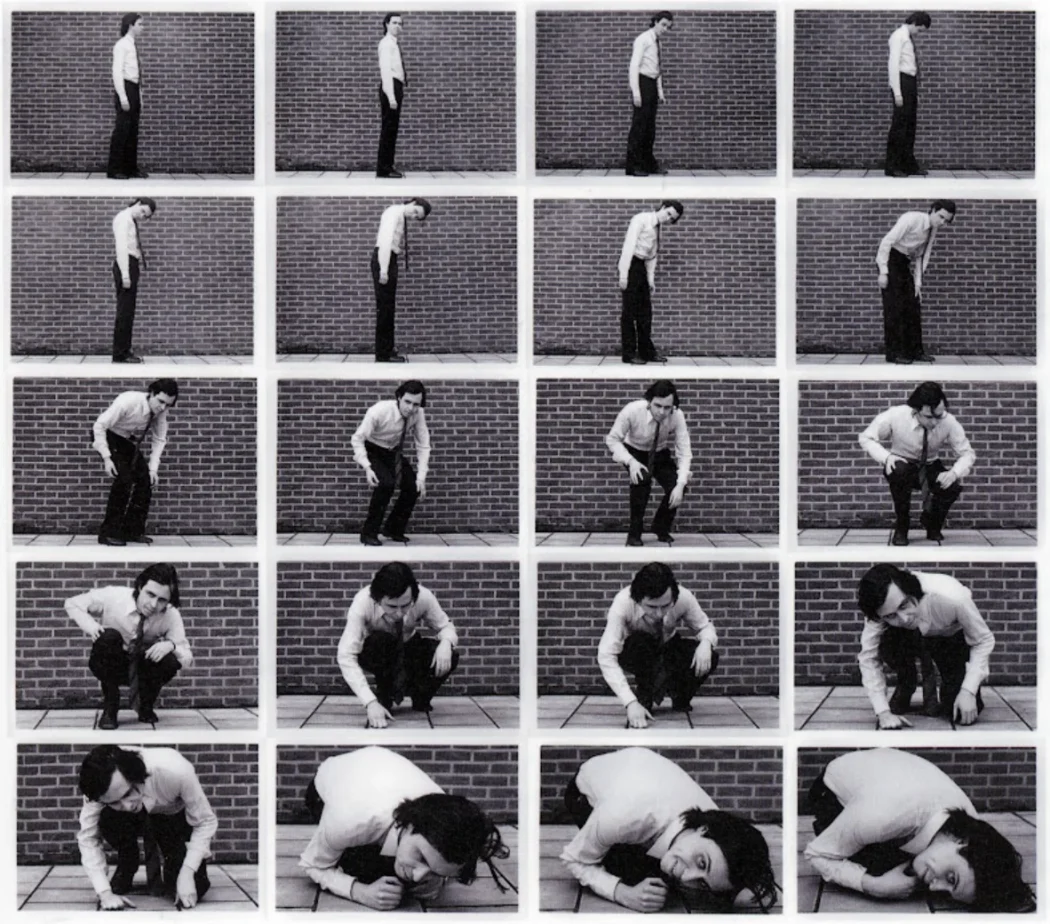
Forcing the body to fit into the frame of the photograph (1971–73)
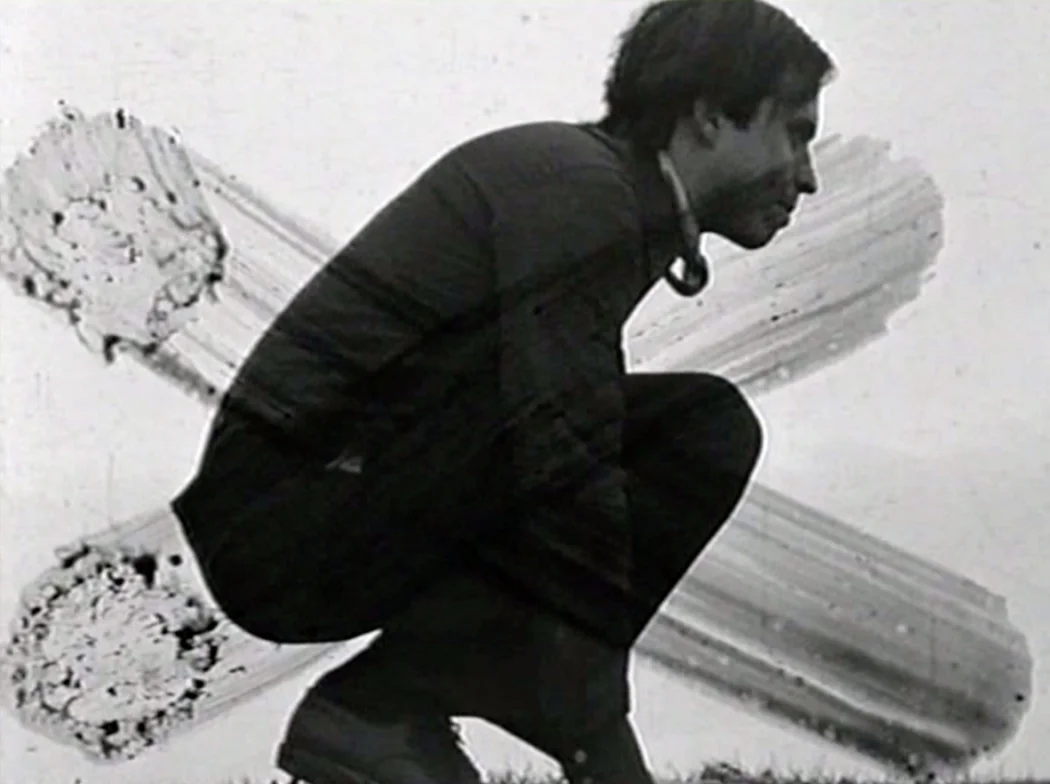
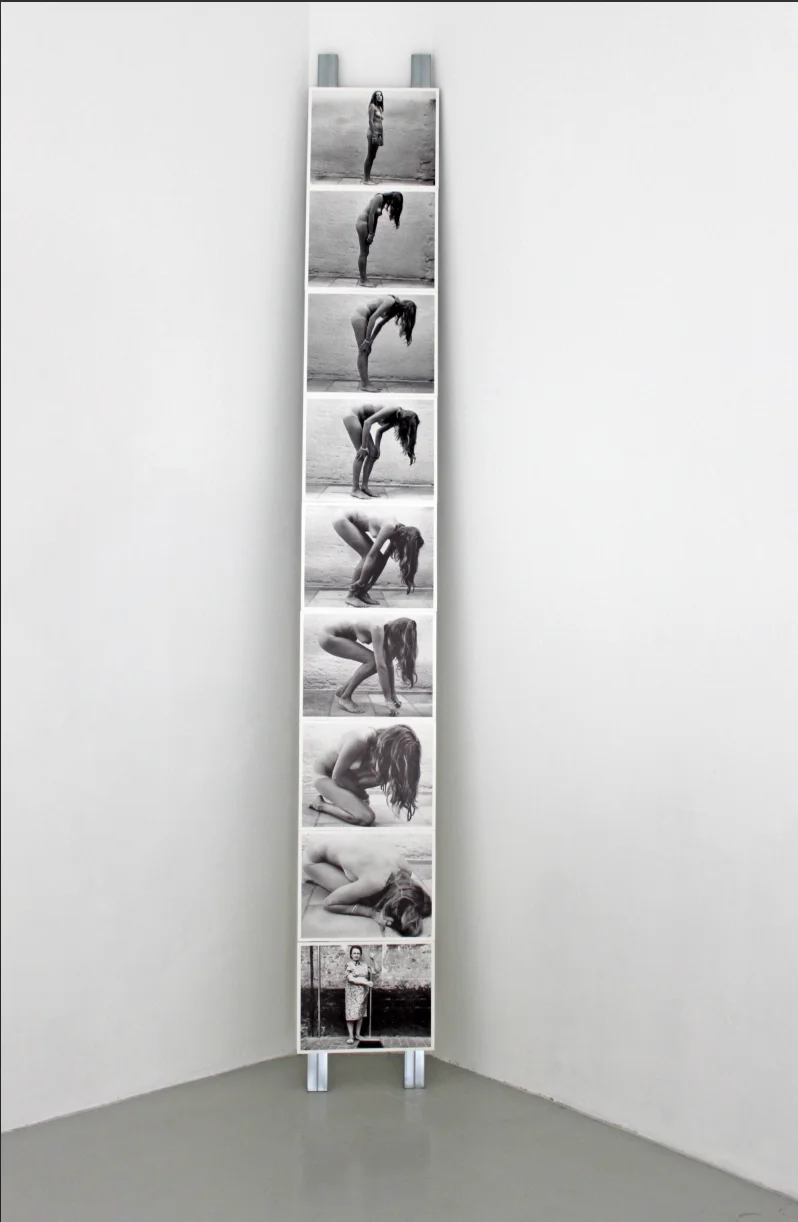
This series of film and photographic works highlight a specific approach to the medium, with images intrinsically linked to titles that describe the absurd performances depicted. This is the case with Forcing the body to fit into the frame of the photograph, Forcing a young girl’s body into the frame of the photograph, and Photographing a character refusing to be constrained by the limits of the frame of the photograph. All these works are part of a larger project consisting of Forcing all kinds of bodies to fit within the limits of the photo frame, including the bodies of police officers. Frame by frame, the camera or video camera moves closer and closer to the subject, forcing it to lean further and further forward until it appears completely contained within the frame of the camera or video camera, from a standing position to a fetal position. It is a regressive climax for an artist who adheres to Émile Cioran’s ideas on the disadvantage of being born. Champion of failure and fiasco, the artist-performer disqualifies his own work when, in 1972, he fails to keep his head and feet perfectly at the edge of the frame. He then crosses out his film by hand, frame by frame.
Works on the frame (1971)
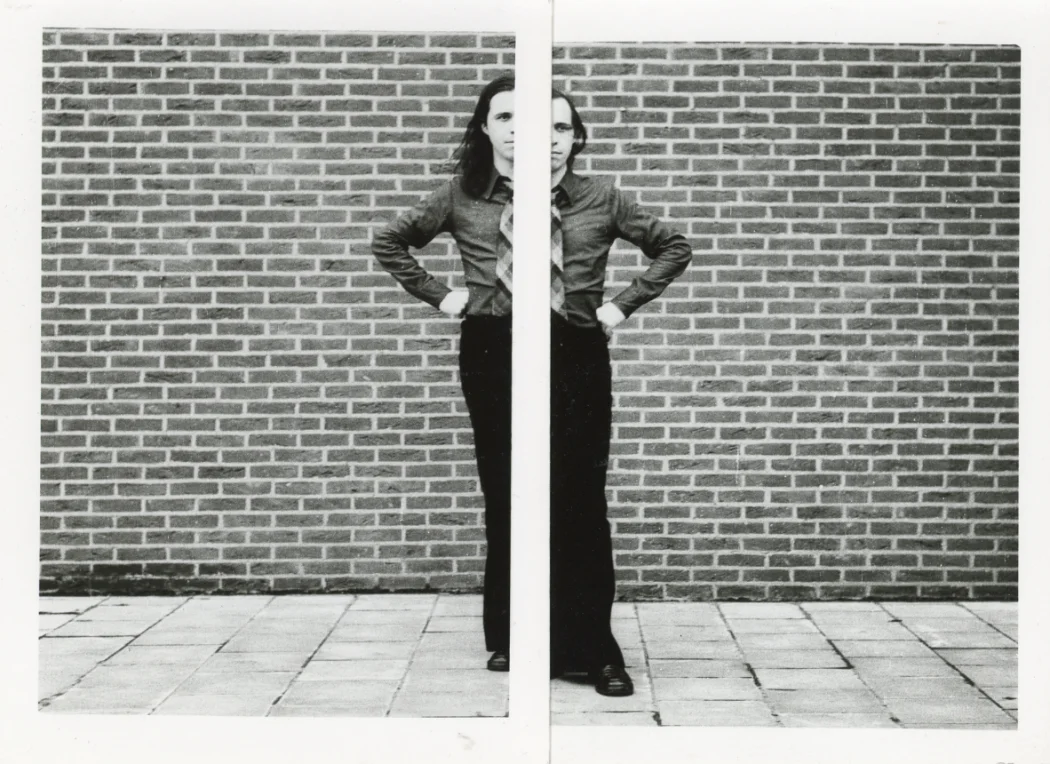
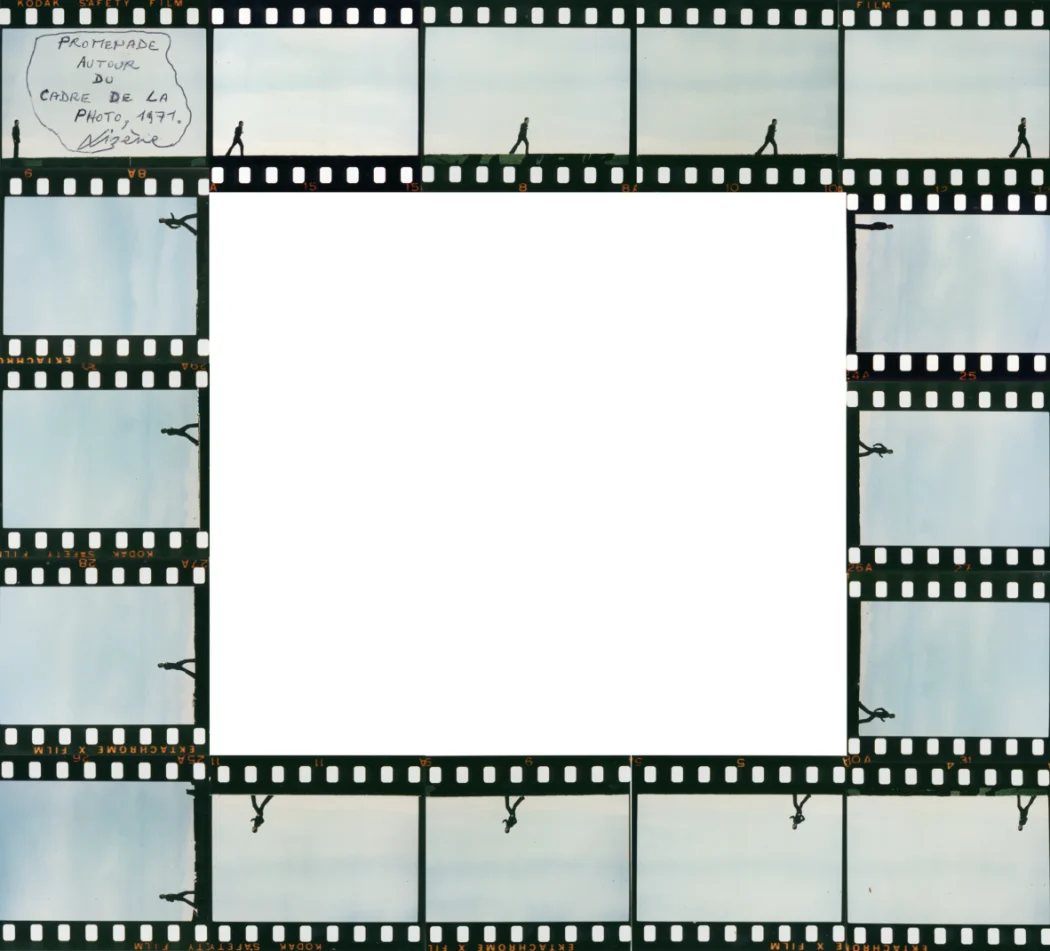
In addition to his work on Constraining the Body, Lizène developed a series of film and photographic works on the specificity of the image frame: Entering the frame joyfully, hanging one’s tie on the edge of the frame; Walking from one edge of the frame to the other; Walking around the frame; Identifying with the edge of the frame; Simultaneously entering the frame of two photos, etc. The artist becomes a disruptive element in the image he manipulates. The performative aspect executed by the artist links this group of works to the conceptual canon, particularly Californian conceptual art, of which Bruce Nauman is a key figure. It is a self-aware and self-centred game; a new relationship with the issue of staged images; and a different relationship with reality. Like Nauman, Lizène used a tautological strategy between title and image, giving his work a humorous, absurd, eminently subjective dimension. The strategy echoes the Subversion des Images (1929-1930) by the Brussels surrealist Paul Nougé, or René Magritte’s amateur photographs. In 1990, Lizène declared himself the inventor of comic conceptualism, unwittingly joining William Wegman, Bas Jan Ader and Ger Van Elk, whom he did not know at the dawn of the 1970s.
A visual artist, photographer, videographer and singer, Jacques Lizène (1946–2021, Belgium) was a pioneer of video art in Belgium. Founder of the Institut d’Art Stupide (Institute of Stupid Art), of which he was the only member (1971) and co-founder of the Cirque Divers in Liège in 1977, a haunt and landmark of counterculture, Lizène cultivated the abolition of the notion of judgement, thereby cutting the ground from under the feet of critics. Claiming mediocrity and talentless art as Art attitude (Attitude Art), inventor of nul art (worthless art), Lizène never ceased to produce shaky, uninteresting, vaguely humorous, generally stupid actions, but always rooted in radical criticism, breaking down all reference points.
Selected solo exhibitions include Villa Arson, Nice, France (2009); MUHKA, Antwerp, Belgium (2009); Palais de Tokyo, Paris, France (2003); Musée des Beaux-Arts, Brest, France (2002); Palais des Beaux-Arts, Brussels, Belgium (1979). Selected group exhibitions include Centre Pompidou, Paris (2008); Documenta, Kassel (2002); Palais des Beaux-Arts, Brussels (2005). His works are held in collections including MUHKA, Antwerp; Centre Pompidou, Paris; and EMST, Athens.
The Gallery
Established in Liège (Belgium) in November 1998, the Nadja Vilenne gallery promotes the work of around twenty established and emerging artists, both Belgian and foreign, in a dimension of close proximity to its artists. It conducts fundamental research into artists with established careers (Jacqueline Mesmaeker, Jacques Lizène, Werner Cuvelier, John Murphy, etc.), accompanies artists with international careers (Suchan Kinoshita, Aglaia Konrad, Olivier Foulon, Michiel Ceulers, etc.) and contributes to the development of young artists (Loïc Moons, Gaetane Verbruggen, Sandrine Morgante, etc.). Since its creation, it has taken part in a number of fairs and shows, has an editorial policy and initiates off-site projects. Anchored in the conceptual and poetic dimensions of art, the gallery is open to all forms of production, including installations, painting, sculpture, drawing and video.
Information
5, rue Commandant Marchand
b. 4000 Liège
BELGIUM