In the Acquisitions and Discoveries program, two museums are invited to present works at OFFSCREEN.
In 2026, OFFSCREEN invites Pinault Collection and the Whitney Museum of American Art to present image-based works from their collections within the ‘Magasins’, the historic building situated in the southern nave of the Chapelle Saint-Louis.

Assembled over the past fifty years by François Pinault, the Pinault Collection comprises more than 10,000 works of modern and contemporary art. Through its museums in Paris and Venice, its loans, and its partnerships with leading international museum institutions, Pinault Collection works to make contemporary art accessible to as many people as possible and to foster encounters between artworks, artists, and all audiences.
The Pinault Collection’s museum activities initially took place at two exceptional venues in Venice: the Palazzo Grassi, inaugurated in 2006, and the Punta della Dogana, which opened in 2009; the Teatrino was added in 2013. In May 2021, Pinault Collection opened its new museum at the Bourse de Commerce in Paris. These four venues were restored and redesigned by Japanese architect Tadao Ando, winner of the Pritzker Prize.
In all three museums, works from the Pinault Collection are displayed in monographic or thematic exhibitions that are regularly updated. All exhibitions actively involve the artists, who are invited to create site-specific works or fulfill specific commissions. In addition, the museums offer a comprehensive cultural and educational program through partnerships with local and international institutions and universities.
The Pinault Collection presentation is developed in collaboration with Emma Lavigne, General Director of the Collection and General Curator, and Alexandra Bordes, Project Manager, Curatorial Mission.
Javier Téllez | The Passion of Joan of Arc (Rozelle Hospital, Sydney) (2004)
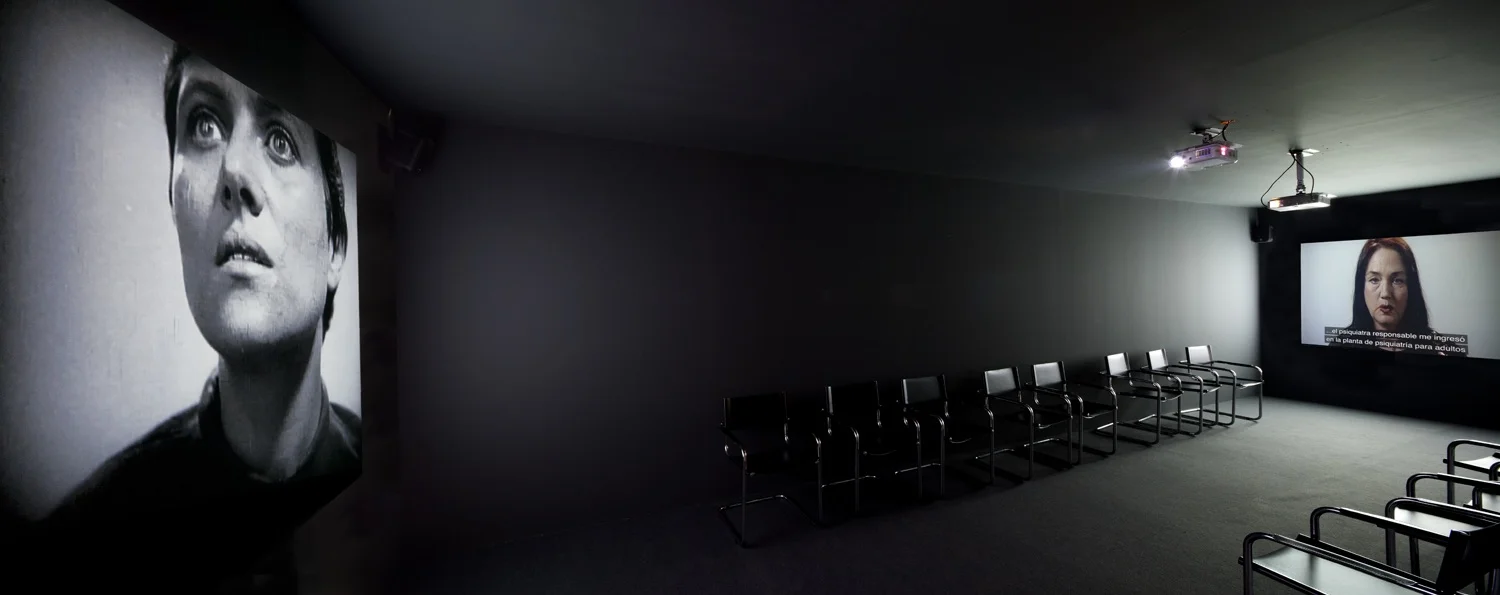
Venezuelan video artist Javier Téllez’s work juxtaposes a screening of Carl Theodor Dreyer’s silent film The Passion of Joan of Arc (1928) with a series of interviews conducted with twelve patients at Rozelle Hospital, a psychiatric facility in Sydney. The artist transposes the historical and cinematic narrative into a contemporary context, transforming the hospital into a space of theater, memory, and performance. Javier Téllez draws on the structure and dramatic intensity of Dreyer’s film while casting individuals who are currently undergoing or have undergone psychiatric treatment. In intimate and highly personal renditions, they all reenact the “trial” they themselves endured within psychiatric institutions. The work thus blurs the boundaries between performance and personal experience, between actor and character, fiction and reality.
By creating a dialogue between Joan of Arc — a historical figure condemned for her otherness — and the patients of a psychiatric hospital, Javier Téllez examines the mechanisms of judgment, exclusion, and normalization. The work does not seek to illustrate mental illness, but rather to shift our perspective: those who are usually observed become the subjects of a representation, while the viewer is invited to question their own stance toward difference.
Born in 1969 in Valencia, Venezuela, Javier Téllez lives and works in New York. His work, consisting primarily of films, videos, installations, and drawings, probes otherness and explores the boundaries between normality and marginality, questioning representations of mental illness, disability, and otherness. The son of two psychiatrists, Javier Téllez grew up immersed in a hospital environment that has profoundly shaped his practice. He collaborates in particular with people living with mental health conditions, whom he invites to become actors in narratives inspired by myths, the history of cinema, theater, and literature. His works thus reinterpret classic figures and narratives to challenge the mechanisms of exclusion and the categories that define what is “normal” and what is “pathological.”
Allen Ruppersberg | On and Off (2000)
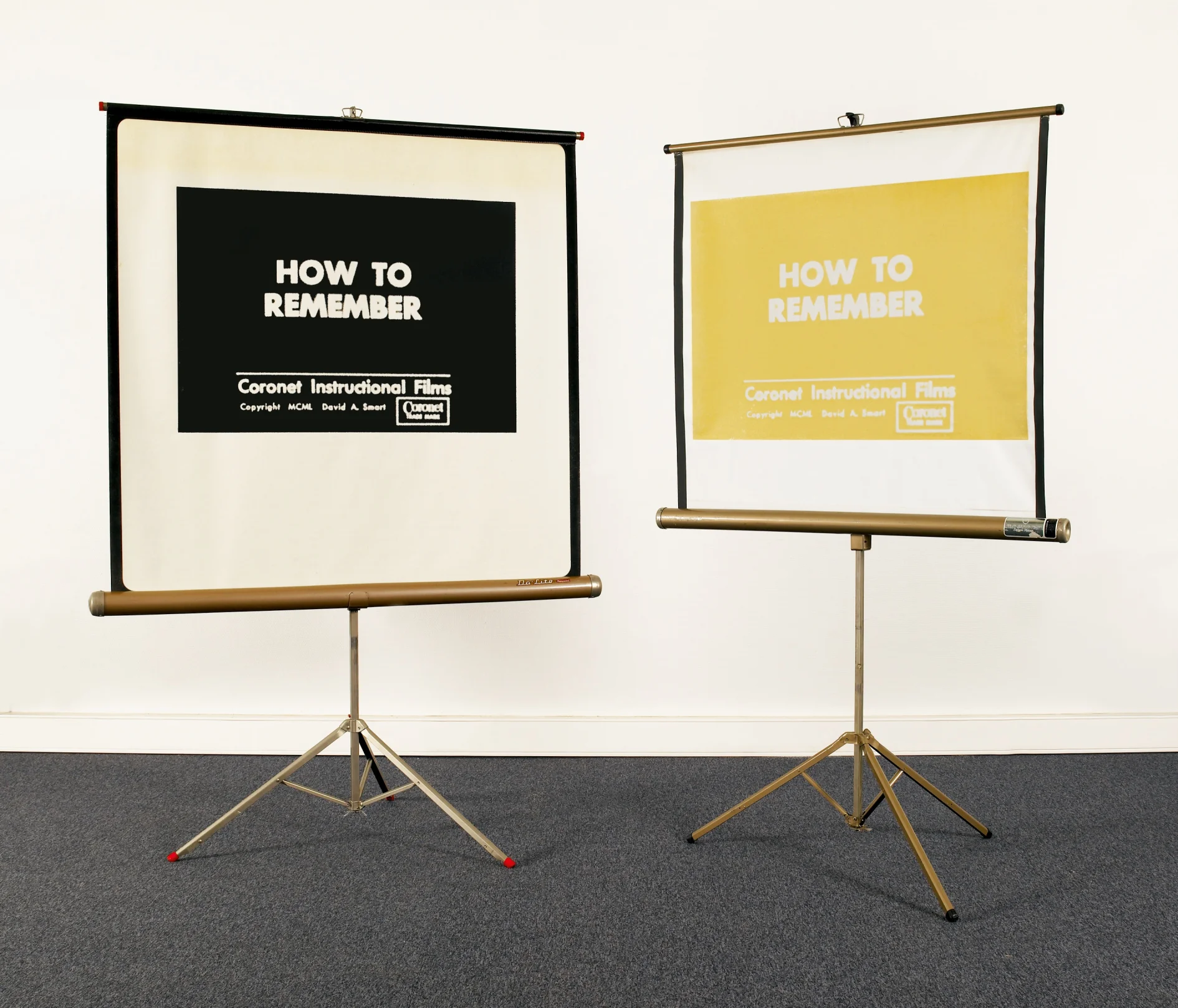
Since the 1960s, Allen Ruppersberg has been exploring the connections between memory, language, popular culture, and the transmission of knowledge. In On and Off, he uses two vintage projection screens, media that are now nearly obsolete, on which appears the phrase “How to Remember,” borrowed from the opening credits of an educational film on mnemonic techniques. This simple image serves as the starting point for a broader reflection on the mechanisms by which knowledge is preserved and circulated.
By drawing on technology that has already been supplanted by digital media, Allen Ruppersberg shifts the practical question of memorization toward a more fundamental inquiry: What becomes of memory when the media that record it disappear? How can knowledge be transmitted when the devices that make it visible are themselves doomed to obsolescence?
The title On and Off evokes both the turning on and off of a device, the appearance and disappearance of the image, and the alternation between presence and absence. This oscillation ties into one of the recurring themes in Ruppersberg’s practice: memory as an inherently partial construct, dependent on the objects, images, and cultural devices that make it possible. Navigating the spectrum between appearance and erasure, analog and digital, memory and forgetting, the work highlights the precarious nature of the systems through which a society preserves its cultural heritage. At once imbued with nostalgia and infused with a critique of image culture, On and Off takes on an almost paradoxical dimension: using technology from the past to reflect on our relationship to the future. The installation thus invites the viewer to become aware of the fragility of collective memory and of the values that images, like the technologies that carry them, transmit or allow to disappear.
Born in 1944 in Cleveland, Ohio (United States), Allen Ruppersberg is one of the leading figures in American conceptual art. Having settled in Los Angeles in the late 1960s, he developed a practice situated at the intersection of art, literature, archives, photography, and popular culture. Characterized by humor and a critical eye toward the media, his work explores the narratives that shape collective memory, as well as the modes of production, circulation, and preservation of images and knowledge.
From his earliest works, Allen Ruppersberg has drawn on materials from everyday life, advertising, publishing, and cinema to examine the mechanisms through which societies construct their histories and mythologies. Books, posters, collections of objects, installations, photographs, and participatory installations serve as vehicles for reflection on cultural transmission and the forms of the archive.

The Whitney Museum of American Art exhibits, collects and supports the work of American artists from the twentieth and twenty first centuries, with an emphasis on contemporary art and living artists, often showing and collecting artists at an early point in their careers. Its signature exhibition, the Whitney Biennial, is the longest-running survey of contemporary American art.
The Whitney presentation is developed in collaboration with Chrissie Iles, Anne and Joel Ehrenkranz Curator and Katie Fong, Curatorial Assistant, Whitney Museum of American Art
Theresa Hak Kyung Cha | Permutations (1976) | Mouth to Mouth (1975) | Re Dis Appearing (1977)

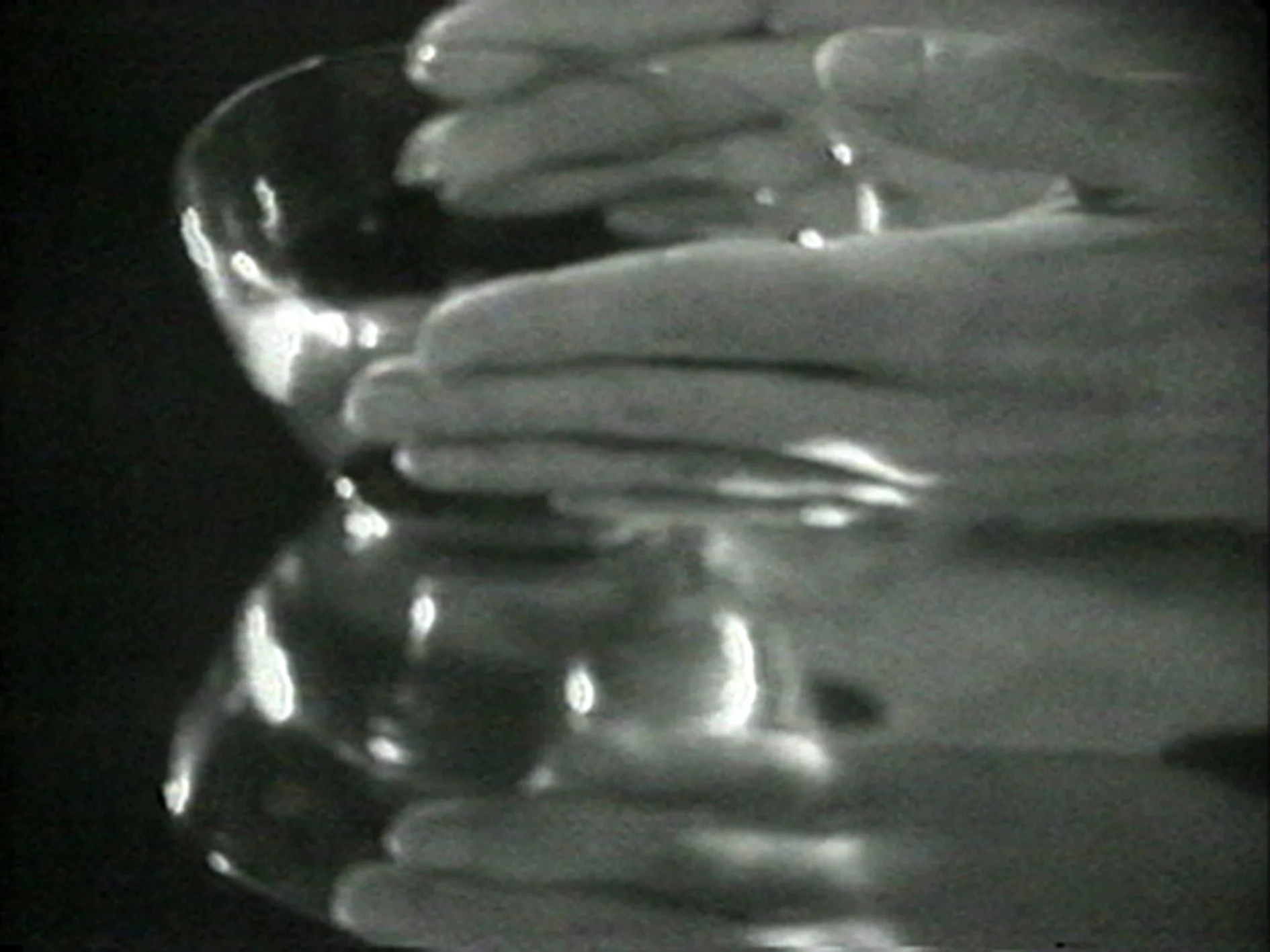
Permutations (1976)
16mm film, black-and-white, silent, 10 min., transferred to video
Created the year the artist moved to Paris to study at Centre d’Études Américaine du Cinéma, Permutations operates as a structuralist investigation into the materiality of film production. The film depicts the artist’s younger sister, Bernadette, through a sequence of black-and-white shots that flicker at one-second intervals. With the exception of a single frame of the artist herself, the film cycles through a limited set of tightly framed shots — Bernadette’s eyes open and closed, the back of her head, and black-and-white frames — establishing a recognizable cadence without yielding a clear or legible logic to their sequence. As filmmaker and theorist Trinh T. Minh-Ha suggests, such repetition redirects attention away from the image toward “what lies between them.” Developed using the I-Ching, the work displaces cinematic continuity in favor of permutations, and depending on chance, the work resonates with many artists of Cha’s time relinquishing authorial control.
Mouth to Mouth (1975)
Video, black-and-white, sound, 8 min.
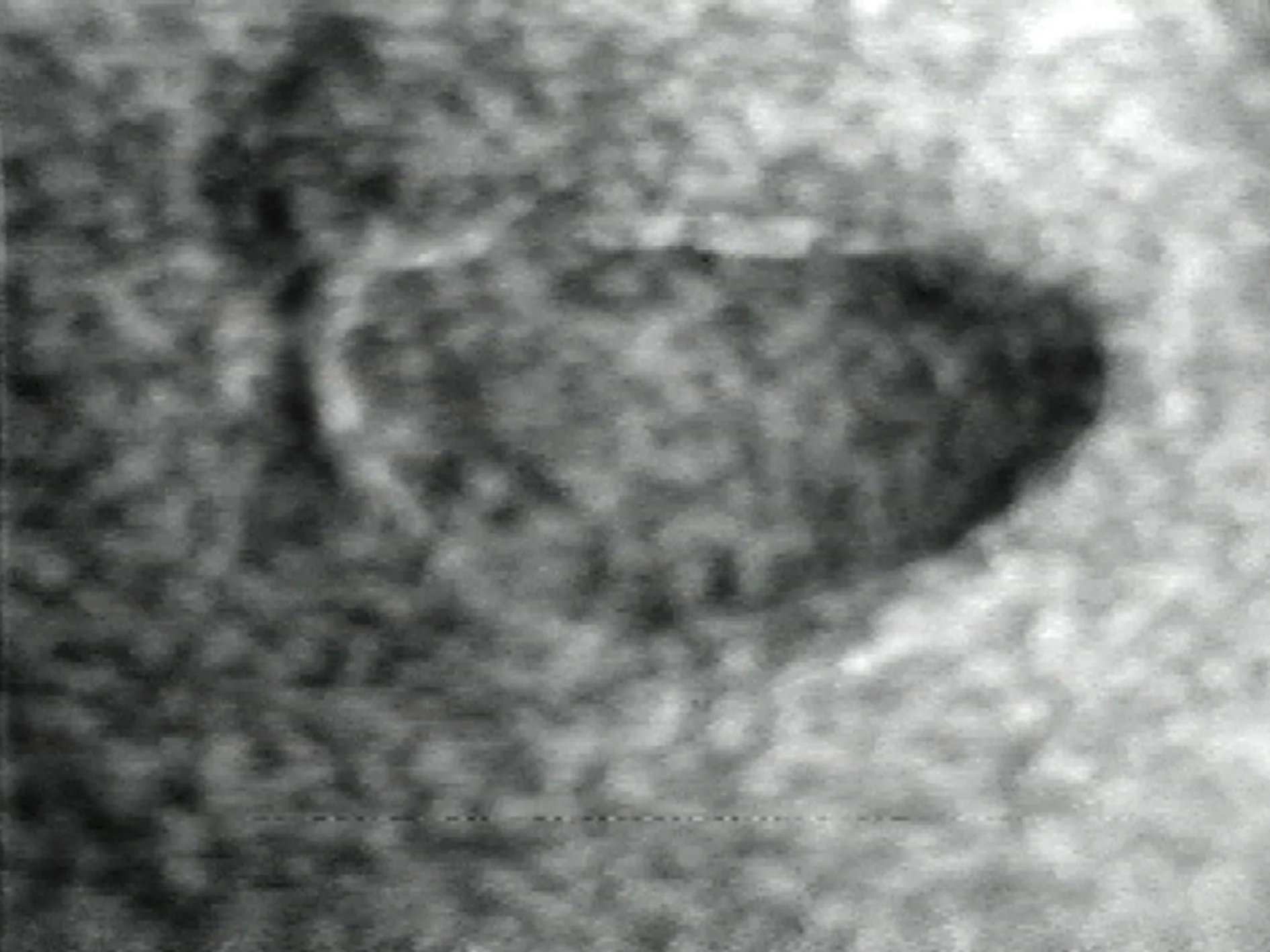
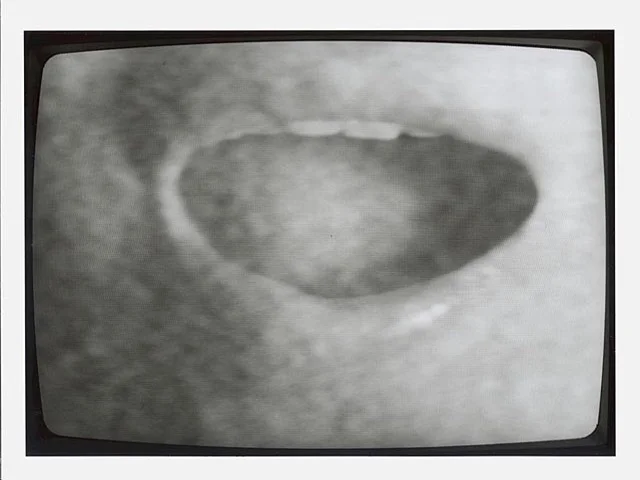
Theresa Hak Kyung Cha’s Mouth to Mouth (1975) opens with the camera slowly panning across the work’s title and eight Korean vowels—the camera’s horizontal movement replicating the act of reading. Yet the spacing between each character renders the letters images to be looked at rather than read, while the geometric Korean vowels suggest phonetic utterance without arriving at semantic meaning. Describing her project as “looking for the roots of language before it is born on the tip of the tongue,” Cha renders her mother tongue as an embodied, even prelinguistic, act. The blurred imagery and obscured sound render speech ineffective and incomplete, evoking the conditions of linguistic displacement produced through colonization, war, and exile.
Re Dis Appearing (1977)
Video, black-and-white, sound, 2:30 min.
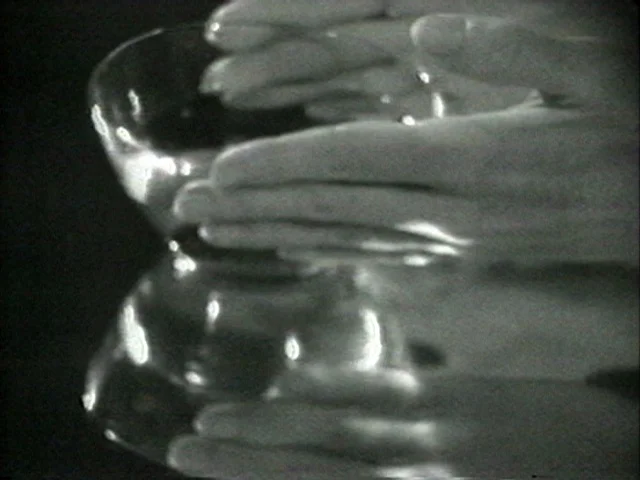
The title Re Dis Appearing evokes multiple meanings in both French and English. The two languages share the prefix “re” as a marker of repetition, while in French, dis is the first-person conjugation of dire (“to tell”), whereas in English it functions as a negating prefix. Thus, “re dis” suggests “to retell” in French, while “dis appearing” evokes vanishing in English. The spaces between the three words leaves the title unresolved. This logic of doubling continues in the film. Two hands place a transparent bowl against a dark backdrop—an image first doubled by the reflective surface beneath it and further multiplied through cinematic superimposition. Cha’s voice, moving between French and English, gradually becomes unintelligible as one language overlays the other. Rather than presenting translation as movement from one stable language into another, Cha treats translation itself — the suspension and instability between languages — as a site of exploration.
Dictée (1982)
In Cha’s 1982 book Dictée, the layering of voices — drawn from Korean women across historical epochs — produces a diasporic subjectivity that foregrounds fragmentation, rupture, and distance. Across her multi- and inter-media practice, multiplicity and opacity of subjectivity prevail over coherent self-representation. Here, the permutation of images and voices in Dictée produces a subject that is continually deferred, never to cohere into a stable, legible, or abstracted form.
Theresa Hak Kyung Cha was an experimental Korean-American interdisciplinary artist who worked across film, sculpture, photography, performance, and poetry. Born in South Korea, Cha emigrated with her family to the United States in 1962, settling first in Hawaiʻi before moving to San Francisco. Cha received her BA and MA in comparative literature and her MFA from the University of California, Berkeley, where she studied French, film theory, performance, and multimedia art. In 1980, Cha moved to New York City, where she worked as an editor and writer for Tanam Press. Fluent in French, Korean, and English, Cha authored numerous art books, including Dictée, a genre-defying autoethnographic work of poetry, found text, and images; and Apparatus, an anthology of essays about film.
Theaster Gates | “Do you hear me calling?” (Mama Mamama or What is Black Power) (2018)
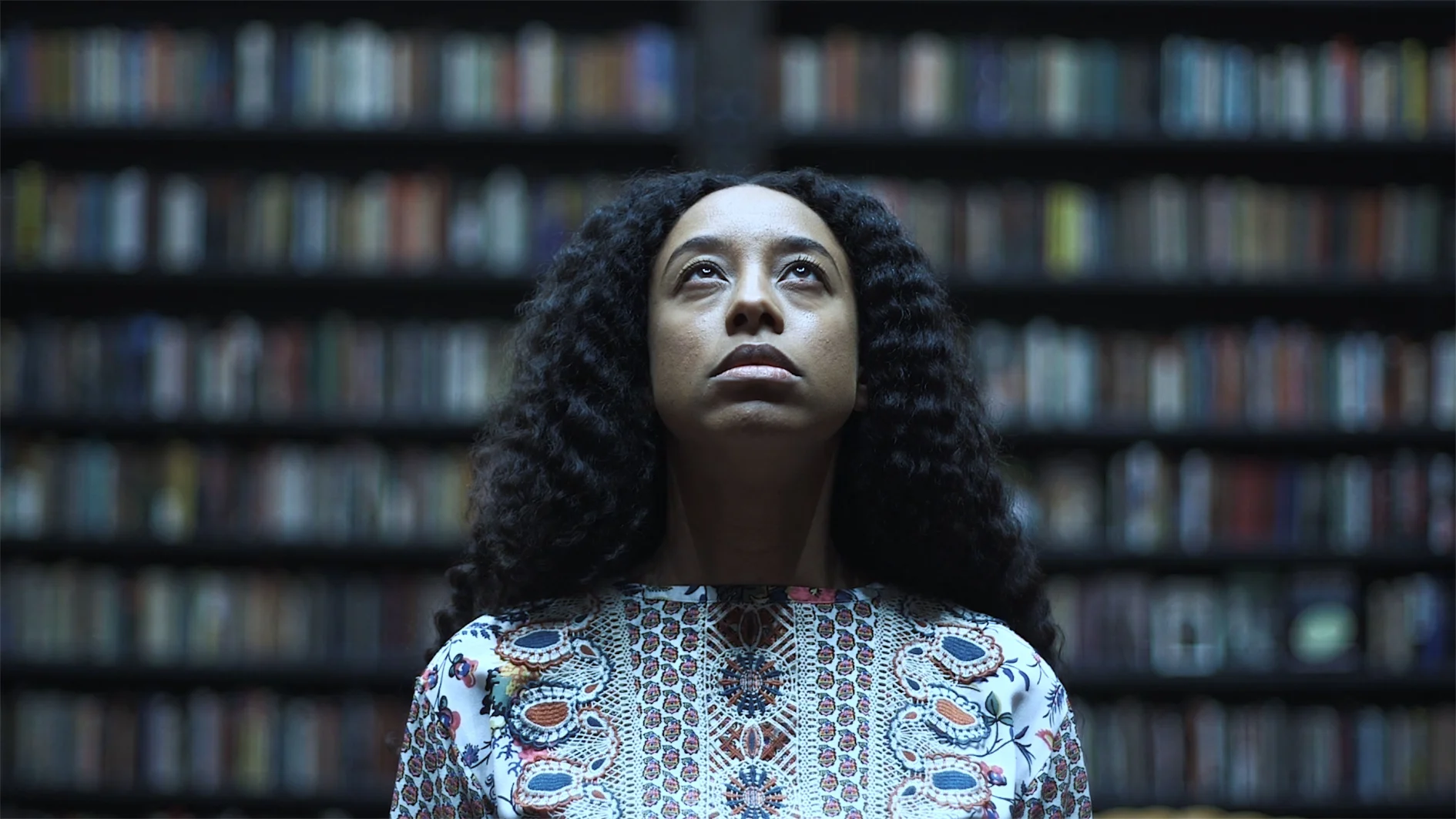
Created as part of a larger project addressing the Black Madonna, this video installation by Theaster Gates draws together archival materials and original footage to explore the centrality of Black women to Black American spiritual, political, and cultural life. The larger screen features a call and response between R&B singer Corinne Bailey Rae and Yaw Agyeman, vocalist for The Black Monks, Gates’s improvisational musical collective. Their singing is interwoven with archival footage of political speeches by civil rights leaders, advertisements, and Black spirituals, gospel, and the blues. A second screen cycles through materials drawn from the print archives of the groundbreaking Black lifestyle magazines Jet and Ebony, which Gates has stewarded since the Johnson Publishing Company shuttered in 2011. Collectively, these materials form a collage of the professional, domestic, and civic lives of Black women. By layering past and present, Gates suggests that the struggle for Black liberation is an ongoing event, and that Black women are, and always have been, foundational to collective liberation.
Theaster Gates is an interdisciplinary artist whose practice is rooted in conceptual formalism, sculpture, space theory, land art, and performance. Guided by ascetic Eastern philosophies that honor the “spirit within things,” Gates addresses questions of memory, legacy, and cultural value while providing critical redress for disappearing and bygone histories, voices, and traditions. His custodianship and critical redeployment of culturally significant Black objects, archives, and spaces is recuperative and expansive — as Gates says, “I love Blackness in all its forms.” Gates is founder and artist-director of the Rebuild Foundation, a non-profit organization dedicated to cultural development and community transformation, particularly in the artist’s hometown of Chicago. Gates is a professor at the University of Chicago, where he also serves as the Senior Advisor for Cultural Innovation and Advisor to the Dean.
2025
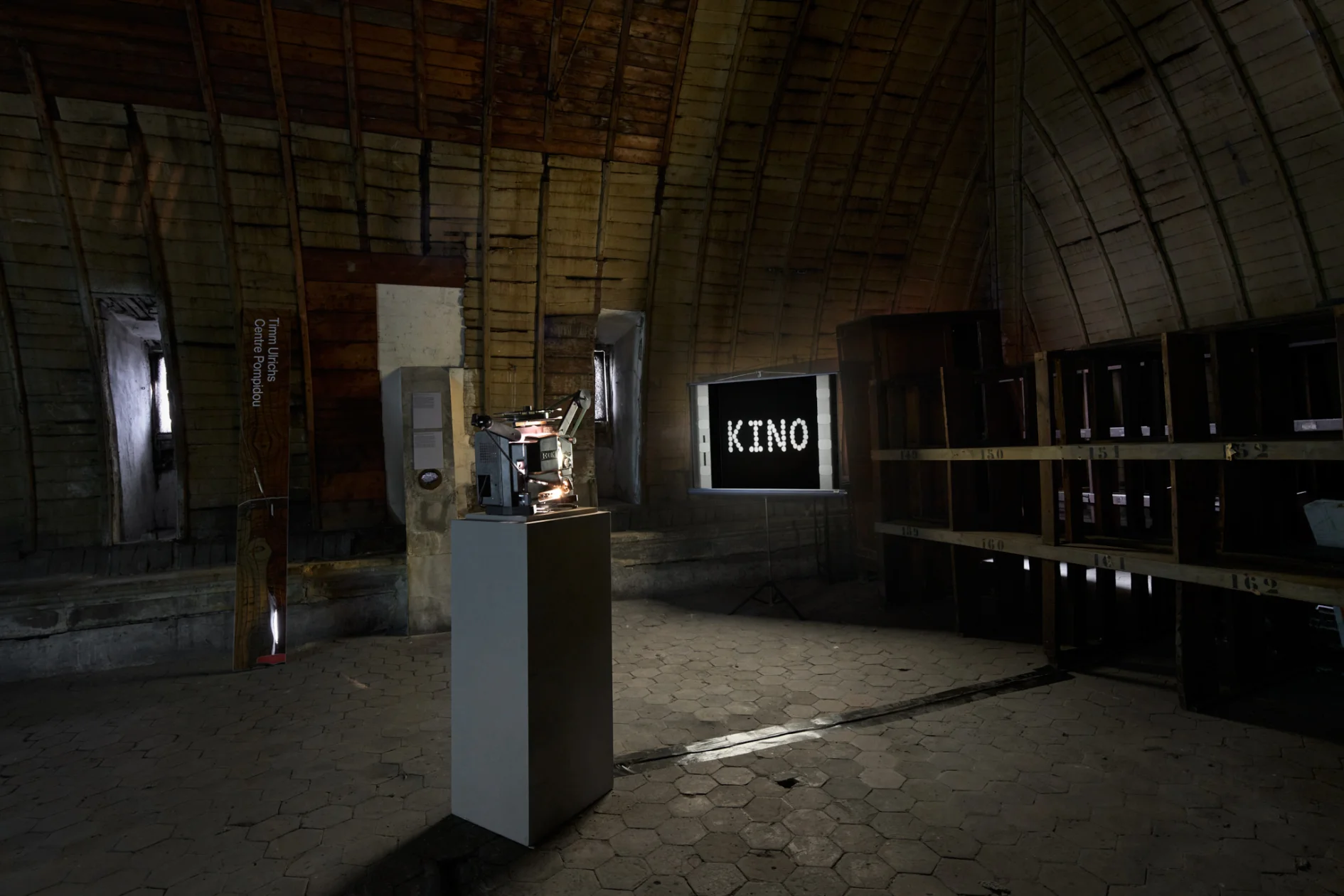

The Musée national d’art moderne, Centre Pompidou presented two works from its collection.
Phill Niblock | The Magic Sun (1966-68)
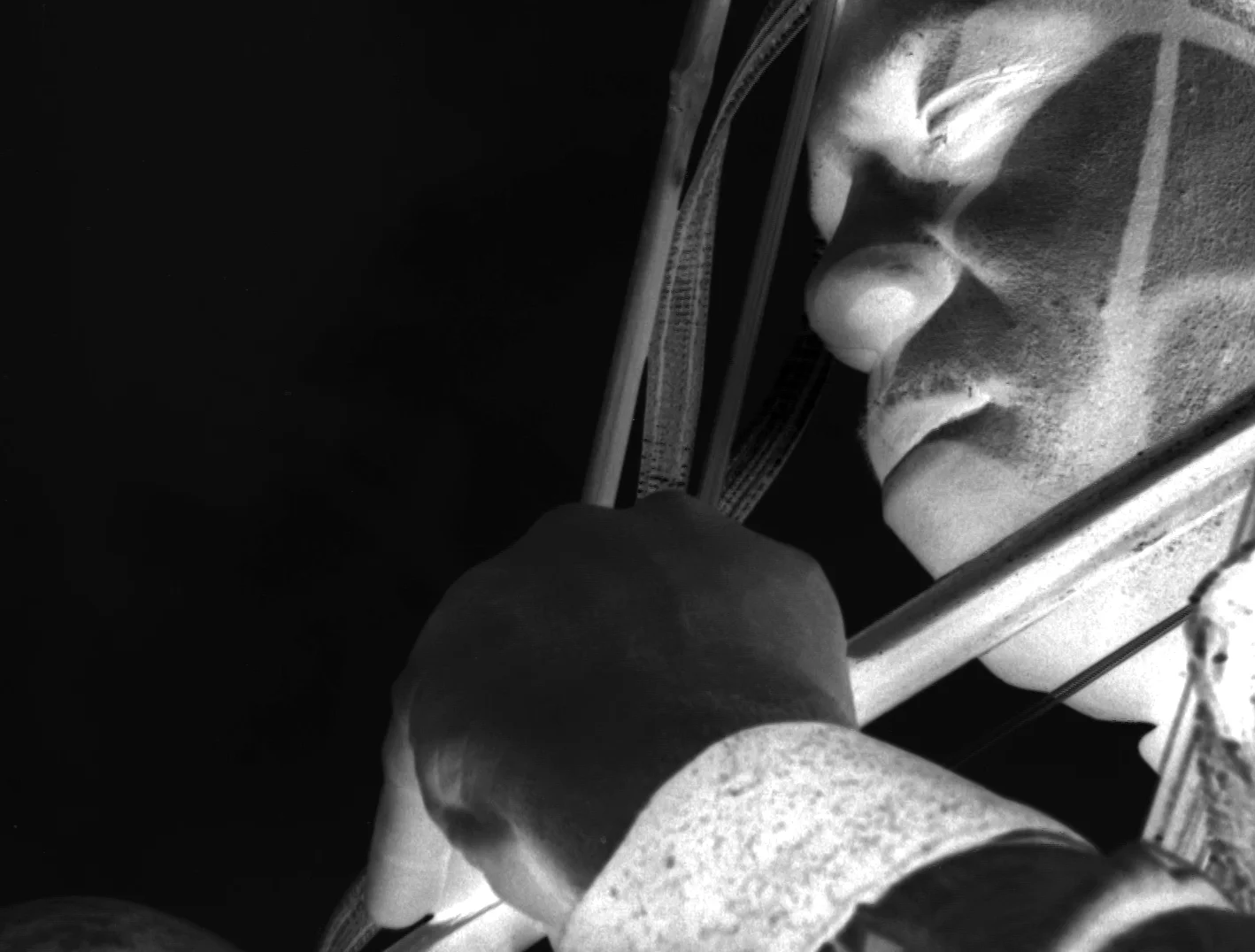
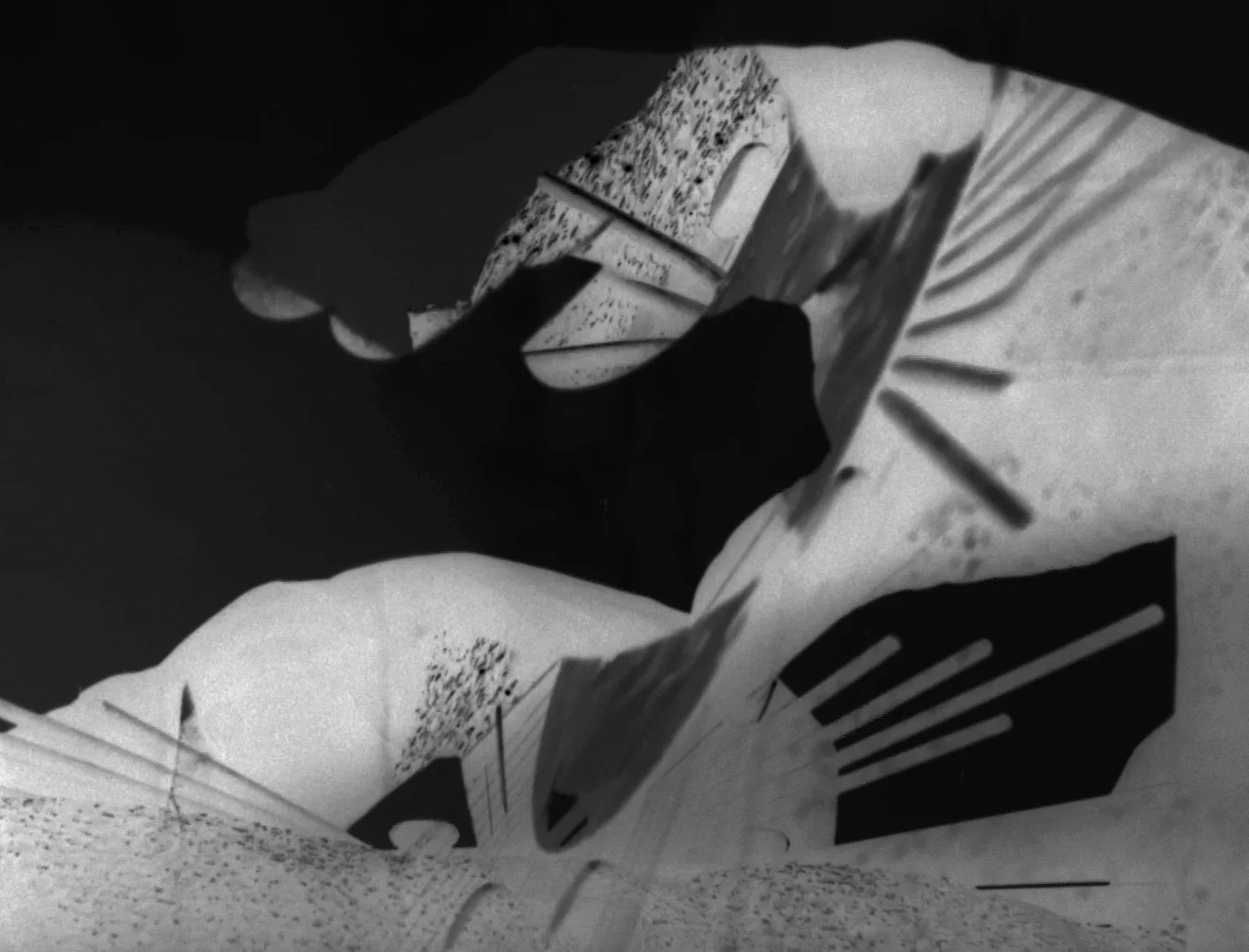
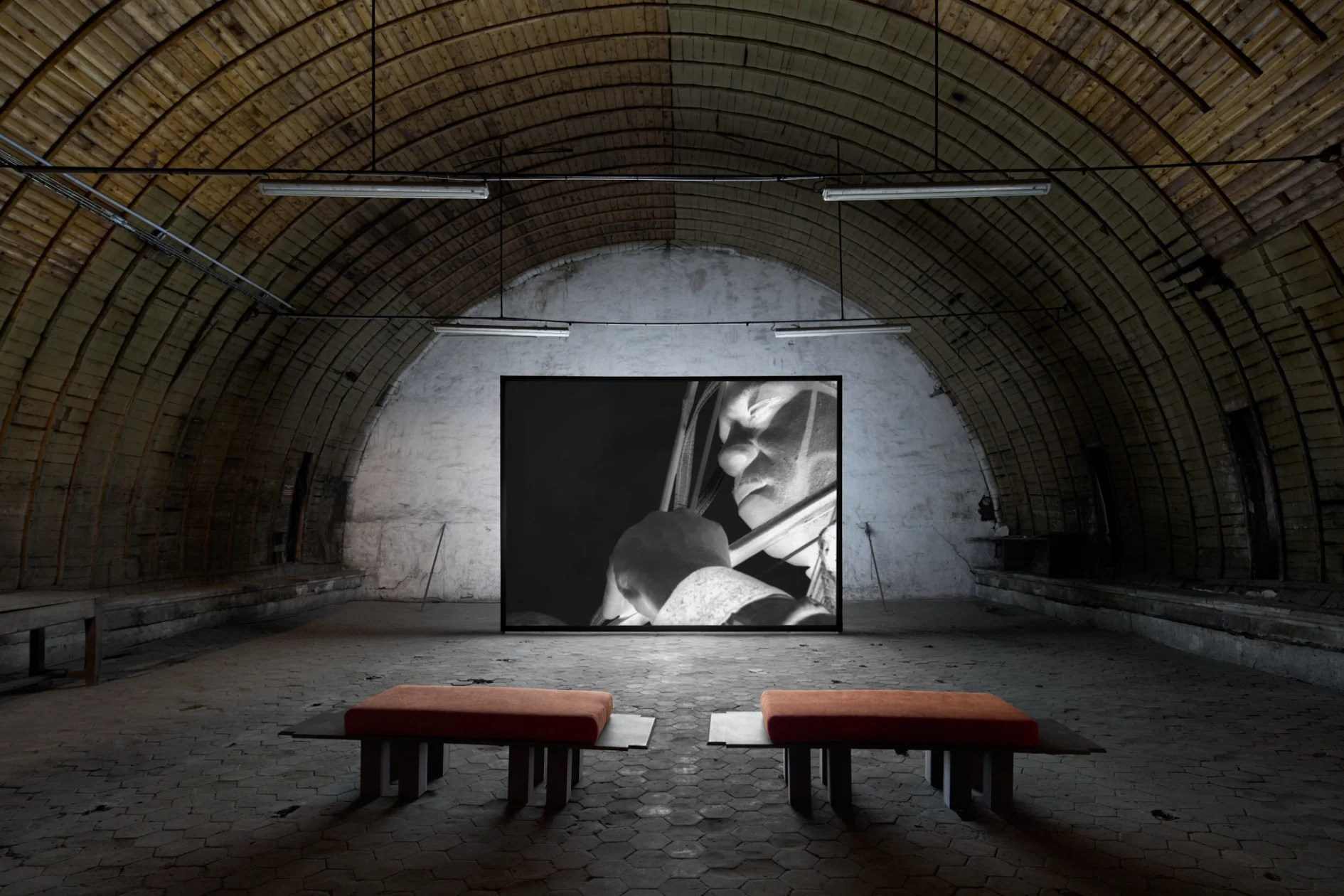
Phill Niblock created The Magic Sun (1966–1968) in collaboration with the Afro-futurist musician Sun Ra and his Arkestra. It was projected on stage at New York’s legendary Carnegie Hall on April 12 and 13, 1968, as part of the intermedia performance The Space Music of Sun Ra. Increasingly abstract, the figures on screen seem to dissolve into dark stains and blinding flashes, while the music reaches a frenetic pitch: a “free excursion into the outer reaches of sound and vision,” as the announcement of its premiere described it.
Throughout an artistic career spanning over sixty years, Phill Niblock (1933-2024, USA) worked to transform our perception and experience of time and space. Recognized as one of the major experimental composers of his generation, Niblock developed a minimalist musical œuvre alongside its visual equivalent through film, performance, and photography. In the mid-1960s, he gradually moved from photography to film and became cameraman for dancers and choreographers of the Judson Church Theater, including Yvonne Rainer, Meredith Monk, and Lucinda Childs.
Recently acquired by the collections of the Centre Pompidou, Phill Niblock’s six 16 mm films (1966–1969) are now the subject of a photochemical restoration and preservation program conducted under the supervision of the Film Collection Department of the Musée national d’art moderne.
Timm Ulrichs | IKON-KINO (1969-1979)
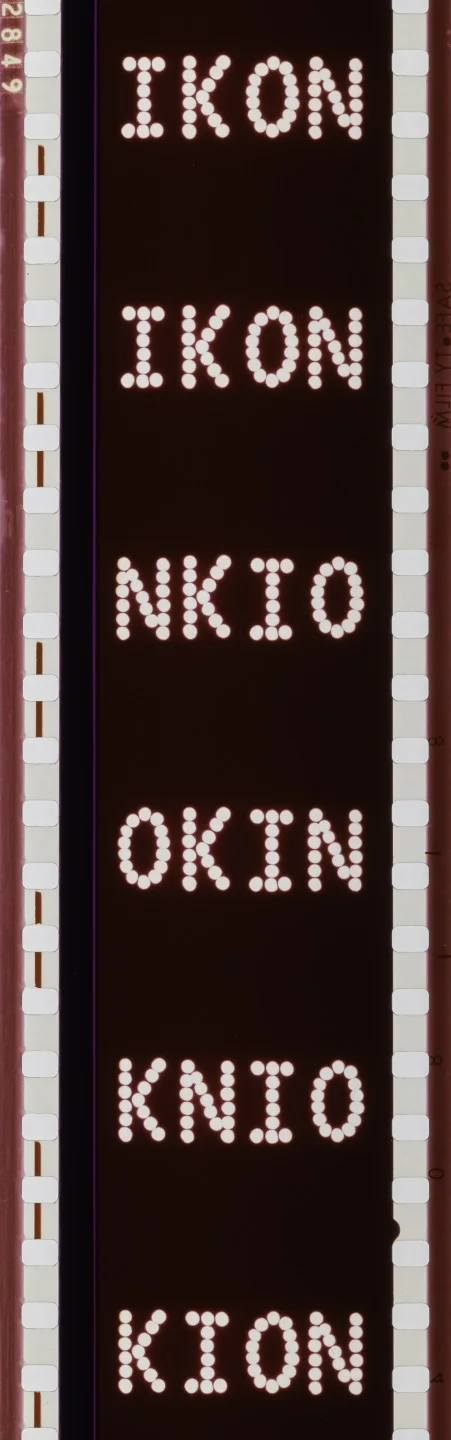
In the “typographic” film IKON-KINO, conceived in 1969 and completed a decade later in 1979, Ulrichs draws inspiration from the cinematic scrolling of film projection. The four letters of the word ikon (icon, in German) are permuted 24 times—in reference to the 24 frames per second, the standard speed of film projection. In this reflexive play of displacement and permutation of letters photographed on the film strip, ikon transforms into kino (cinema).
The German artist Timm Ulrichs (b. 1940, Berlin) is the author of a conceptual and poetic body of work in which language confronts both its foundations and its own materiality. His production is deeply informed by philosophy, particularly the thought of Walter Benjamin on technical reproducibility.
Since 2020, the Film Collection Department of the Musée national d’art moderne has been engaged in a project on typography and the moving image. This initiative led to the publication in 2025 of the book Read Frame Type Film by MUBI Editions. Bringing together twenty-four works from the collection, including IKON-KINO, the volume retraces the presence of writing on screen in experimental and artist film.

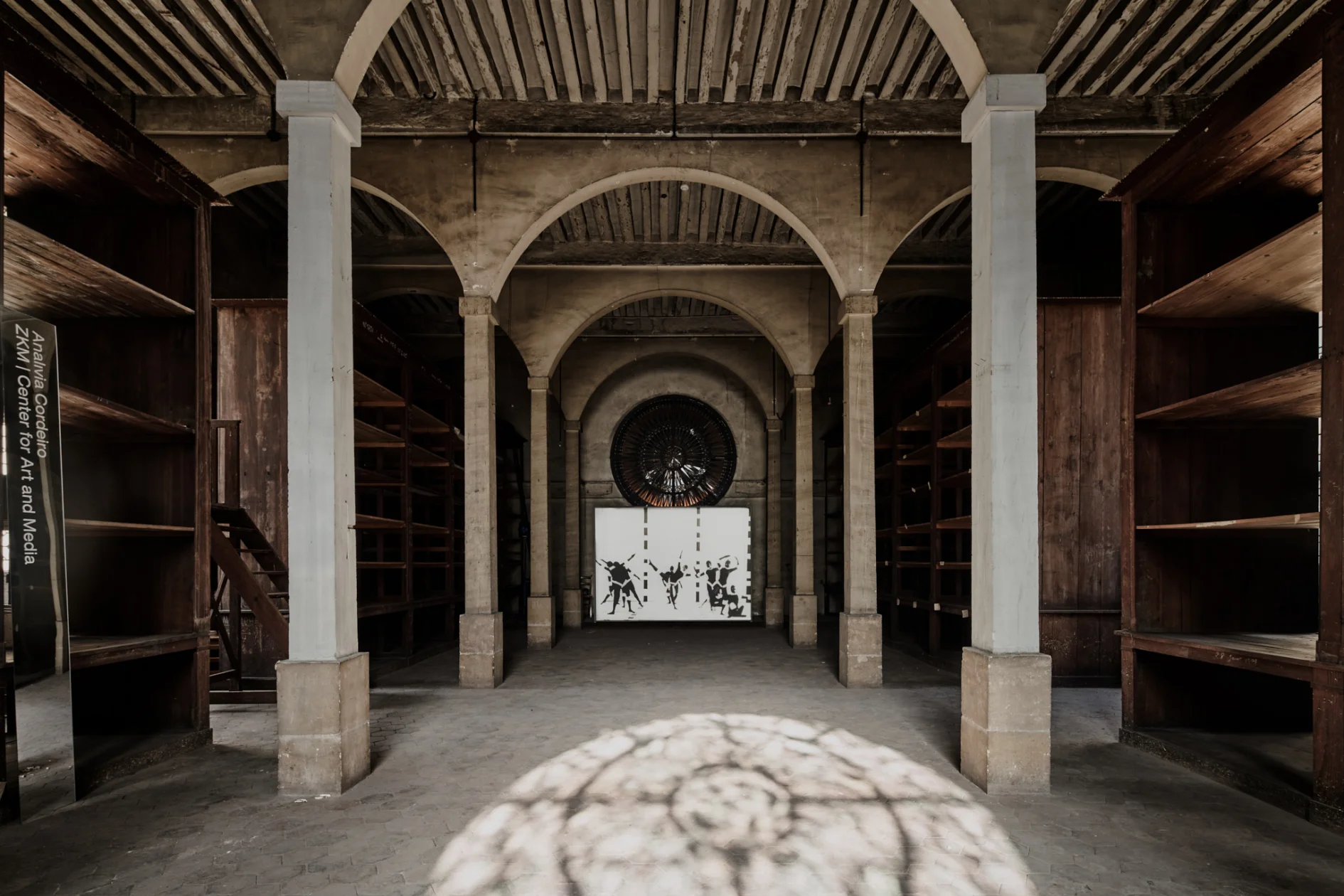
The ZKM | Center for Art and Media presented two gems from its archives.
Founded in 1989, the ZKM | Center for Art and Media Karlsruhe is dedicated to enabling artists to experiment with new technologies and to fostering public engagement with the impact of technological change on art and society. The ZKM also holds one of the world’s most extensive collections of media art. To preserve these works, it has developed renowned expertise in the conservation of electronic and digital art. Since the creation of its Laboratory for Antiquated Video Systems in 2004, the ZKM has rescued more than 20,000 historical analog videotapes from loss through restoration and digitization. This work has led to the rediscovery of forgotten works as well as pieces once thought to be lost, along with interviews and documentaries, opening up new perspectives on the art history of the 20th century.
Analívia Cordeiro | M3x3 (1973)
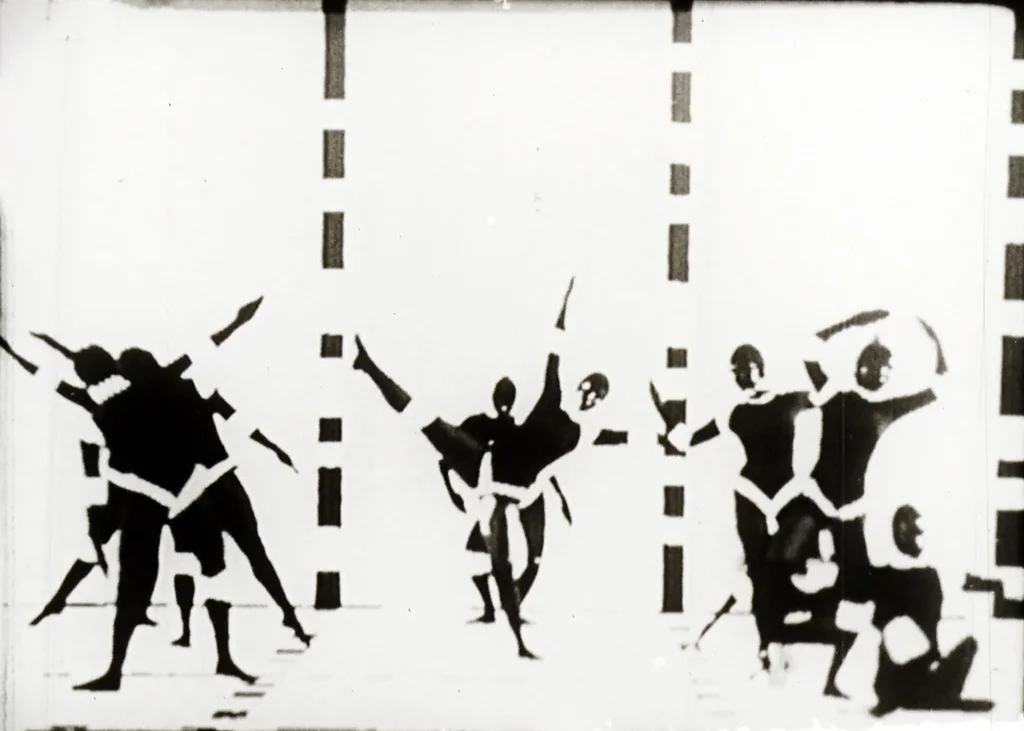
M3x3 (1973) is considered the first video art piece in Latin America and a pioneering experiment in computer-assisted choreography. Conceived for nine dancers, the work combined Laban’s movement analysis with Fortran-based notation software, generating choreographic scripts and precise camera positions. Recorded with U-Matic technology at TV Cultura, São Paulo, it used geometric stage design and high-contrast costumes to fuse body and space. The only sound was a metronome, marking tempo while allowing interpretive freedom. Its fragmented rhythms, the sharp geometric body movements and randomized sequences reflect the mechanization of human gestures in the urban post- industrial age.
Analivia Cordeiro (b. 1954, São Paulo) is a dancer, choreographer, architect, and pioneer of computer-based dance and Latin American video art. Her works have been presented internationally and belong to major collections such as MoMA, Reina Sofía, and the V&A.
In 1975, Analivia Cordeiro sent a 16 mm copy of her original U-Matic video to computer art pioneer Vladimir Bonačić in Jerusalem. Hidden from view for almost half a century, the film reappeared in 2022 in the ZKM archive of Bonačić and his group, the bcd CyberneticArt team, during preparations for the retrospective Analivia Cordeiro. From Body to Code at ZKM, and was subsequently digitized.
Urs Lüthi | Untitled (1973)
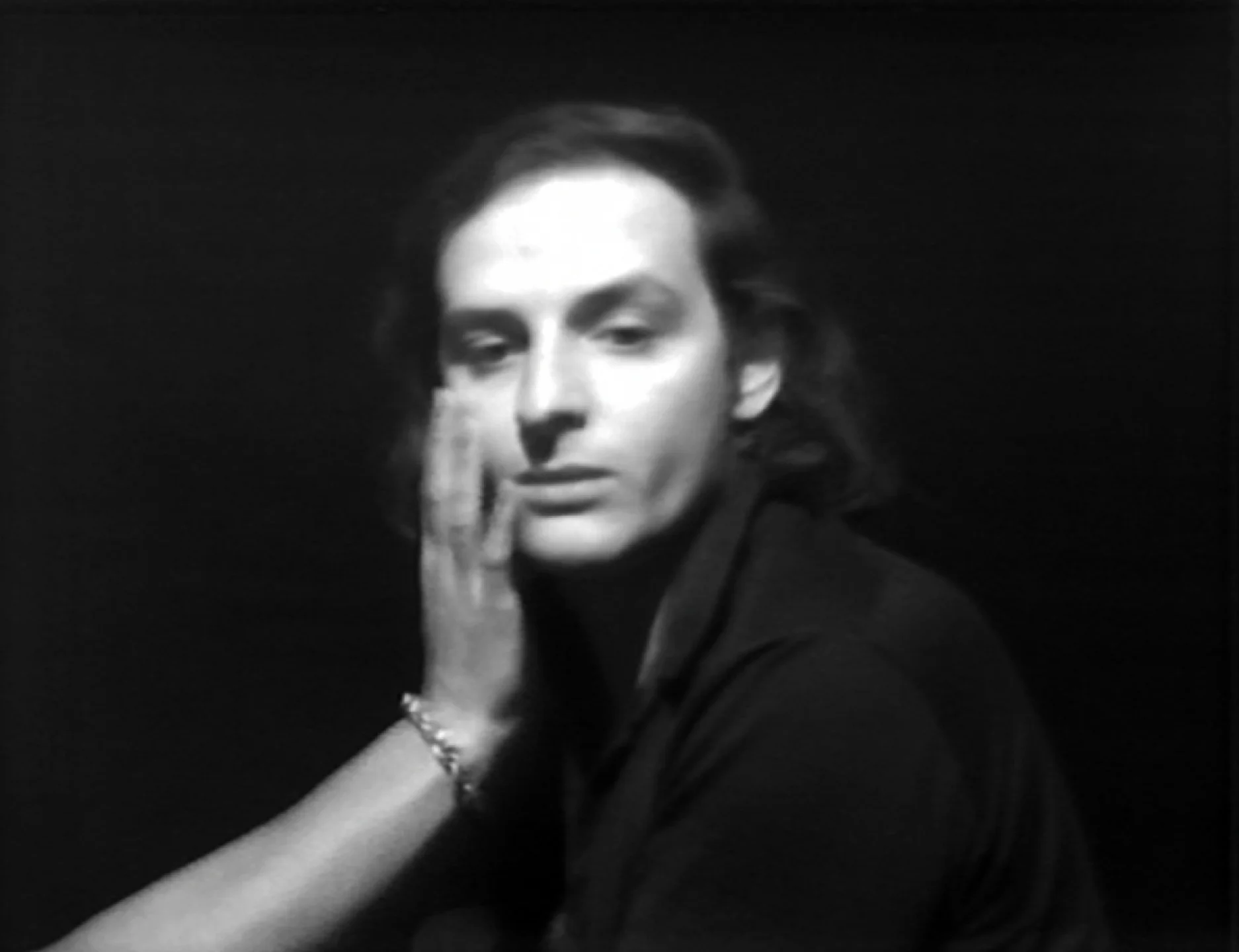
In Untitled (1973), Urs Lüthi appears seated in three-quarter profile, dressed in black against a dark background, while José Feliciano’s “Nature Boy” plays. A woman’s hand enters the frame, caressing his shoulder, face, and hair with delicate gestures, briefly exploring the open shirt before retreating as the song ends. Lüthi remains passive, his gaze fixed into emptiness, untouched by the touch or the music. The video’s length mirrors the song’s duration, yet the soundtrack serves not as accompaniment but as an undercurrent to the image, creating a subtle meditation on presence, gender and vulnerability.
Urs Lüthi (b. 1947, Lucerne) is a Swiss artist known for his groundbreaking explorations of identity, the body, and self-representation across photography, painting, performance, sculpture, and conceptual art. His early self-staged photo works became iconic within Body Art. Lüthi represented Switzerland at the Venice Biennale in 2001 and taught at the Kunsthochschule Kassel (1994–2013). His works are represented in major museums worldwide.
Long considered lost, Lüthi’s videotape resurfaced during 40jahrevideokunst.de (2006–2009), a landmark project for the preservation of historic video art from the 1960s and 1970s. Hidden in the archive of the Austrian Trigon Festival, it was restored by the ZKM | Laboratory for Antiquated Video Systems and secured for the future through digitization.