Conversations
OFFSCREEN hosted conversations bringing together leading figures from the world of culture to discuss themes related to still and moving images.
Artist Talk x Madame Figaro | October 22, 2025
Screening and Discussion on Nam June Paik | October 22, 2025
Artist Talk x Mousse Magazine | October 23, 2025
JBE Editions | Book Launch | October 23, 2025
Artist Talk x Kunstverein Hannover | October 24, 2025
Folie Douce | Live Podcast Recording | October 25, 2025
Written on the Screen | October 25, 2025
Performances
This 4th OFFSCREEN edition featured two singular live performances inside the monumental Chapelle.
This Mortal House Building 3 by Maria Stamenković Herranz
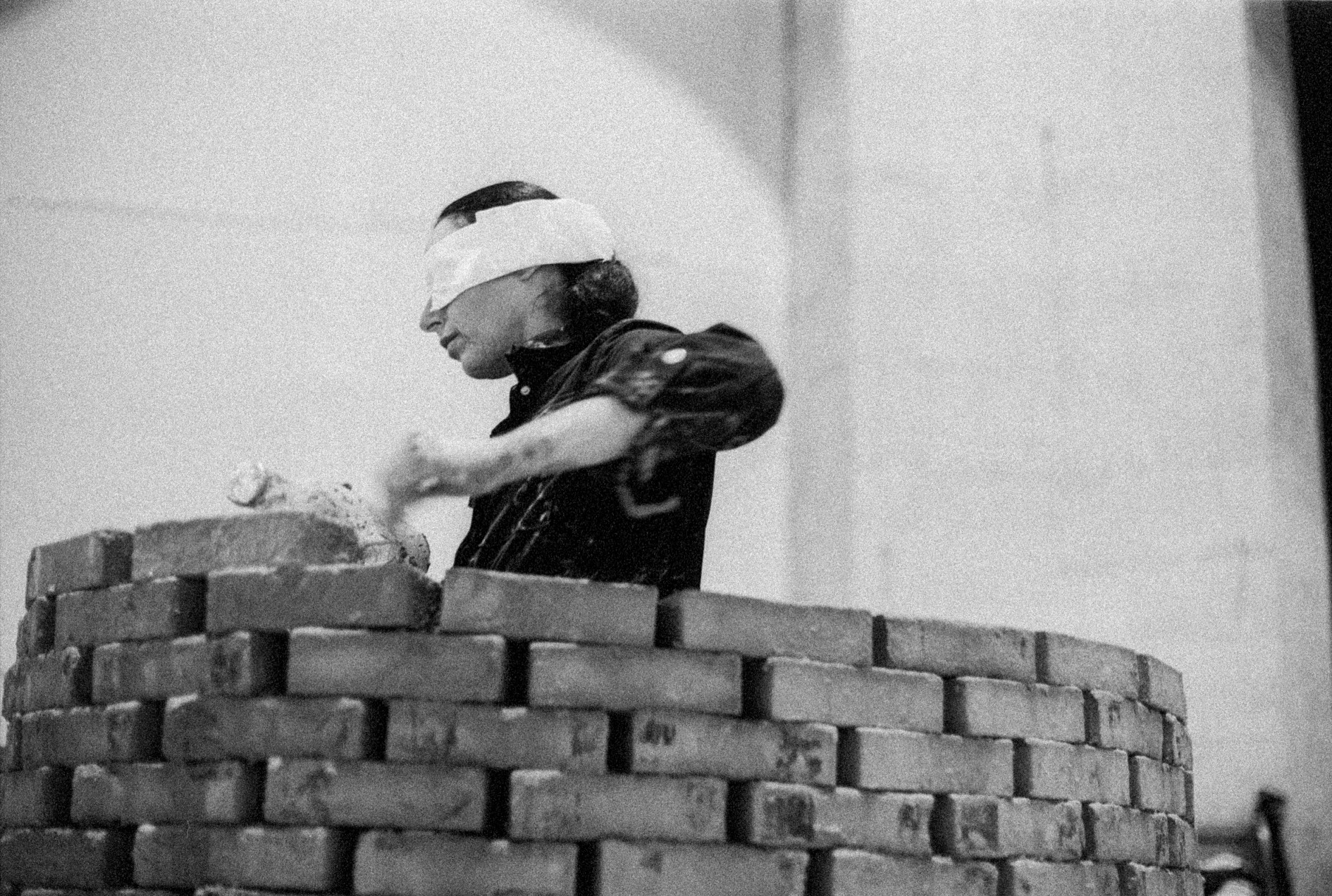
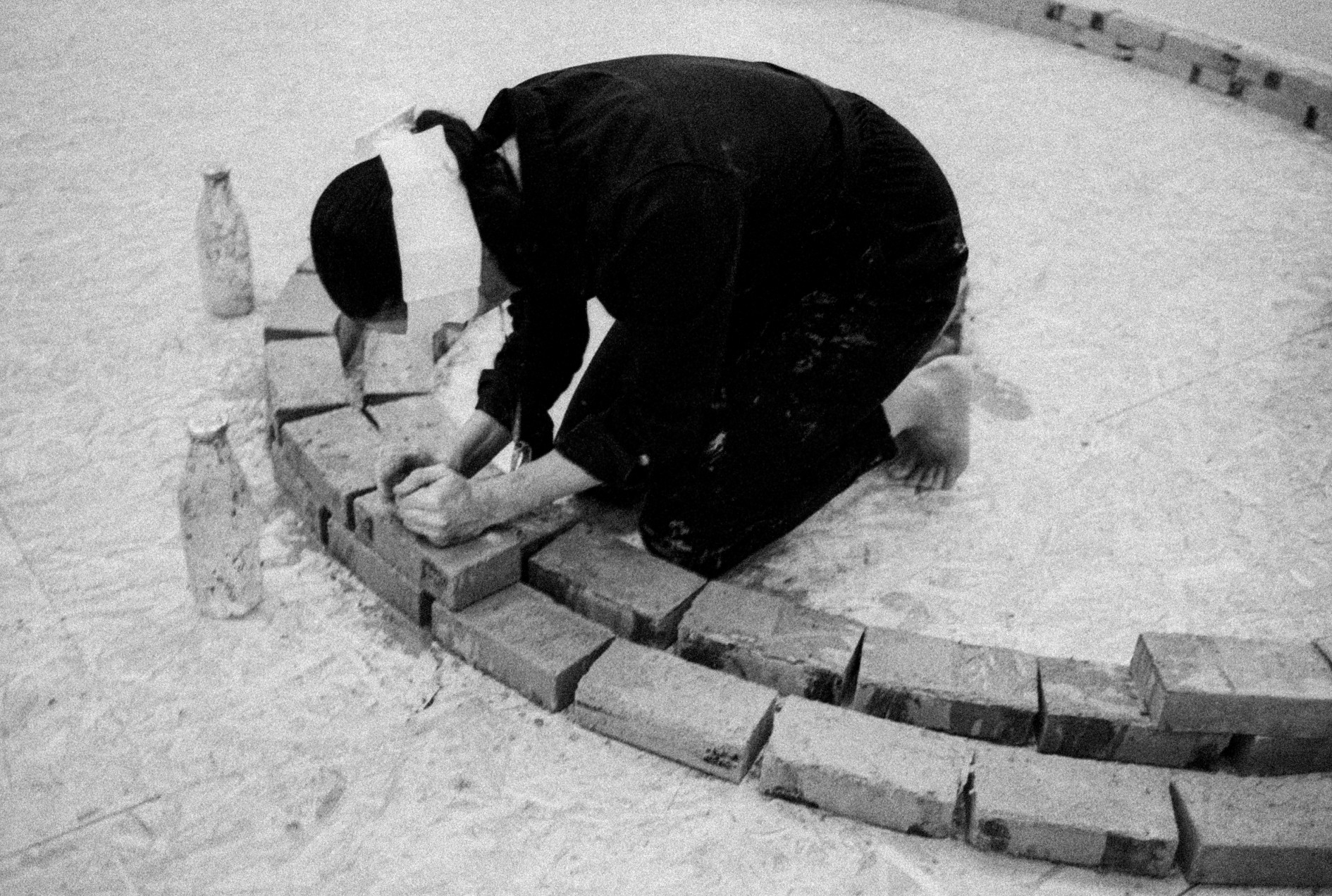
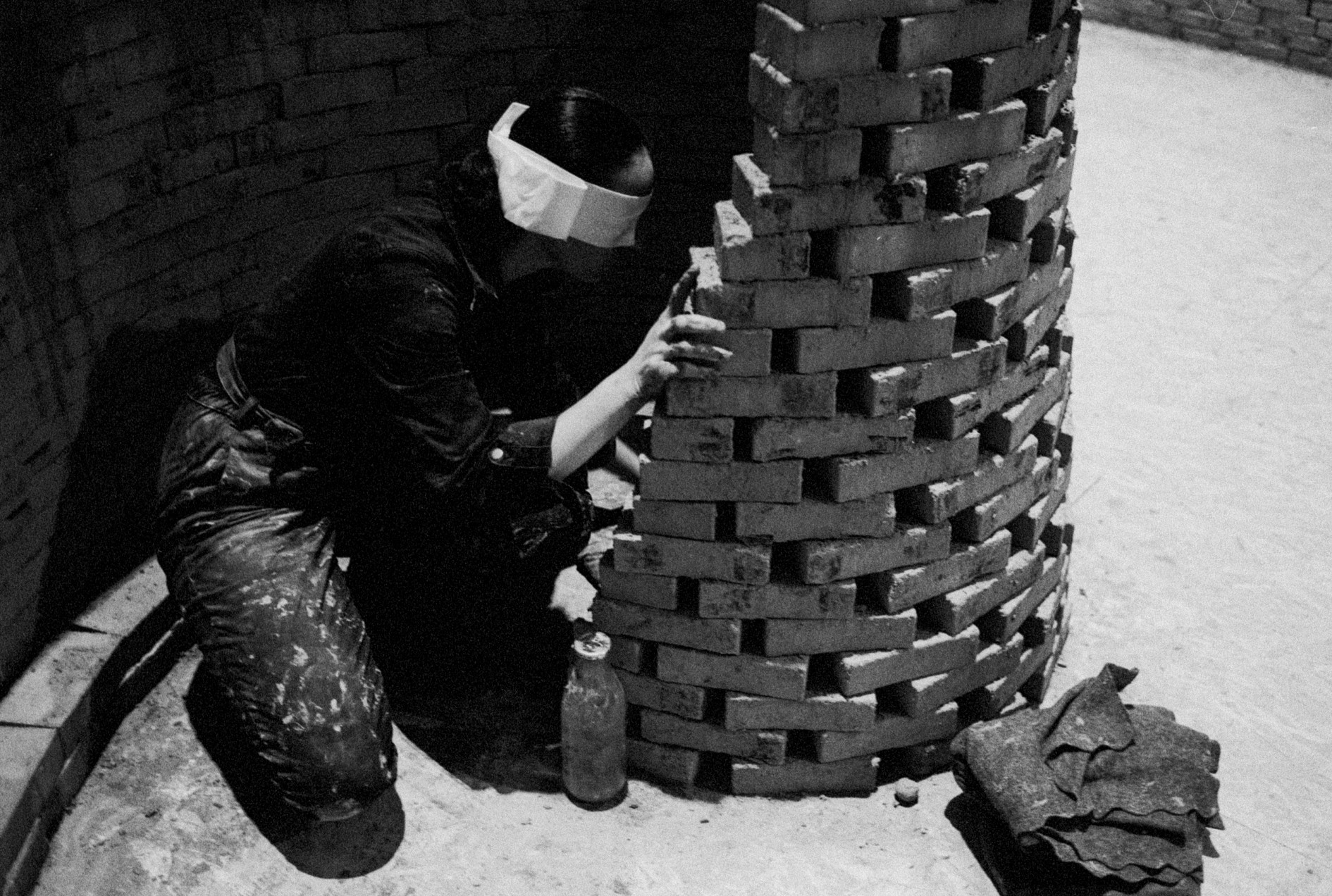
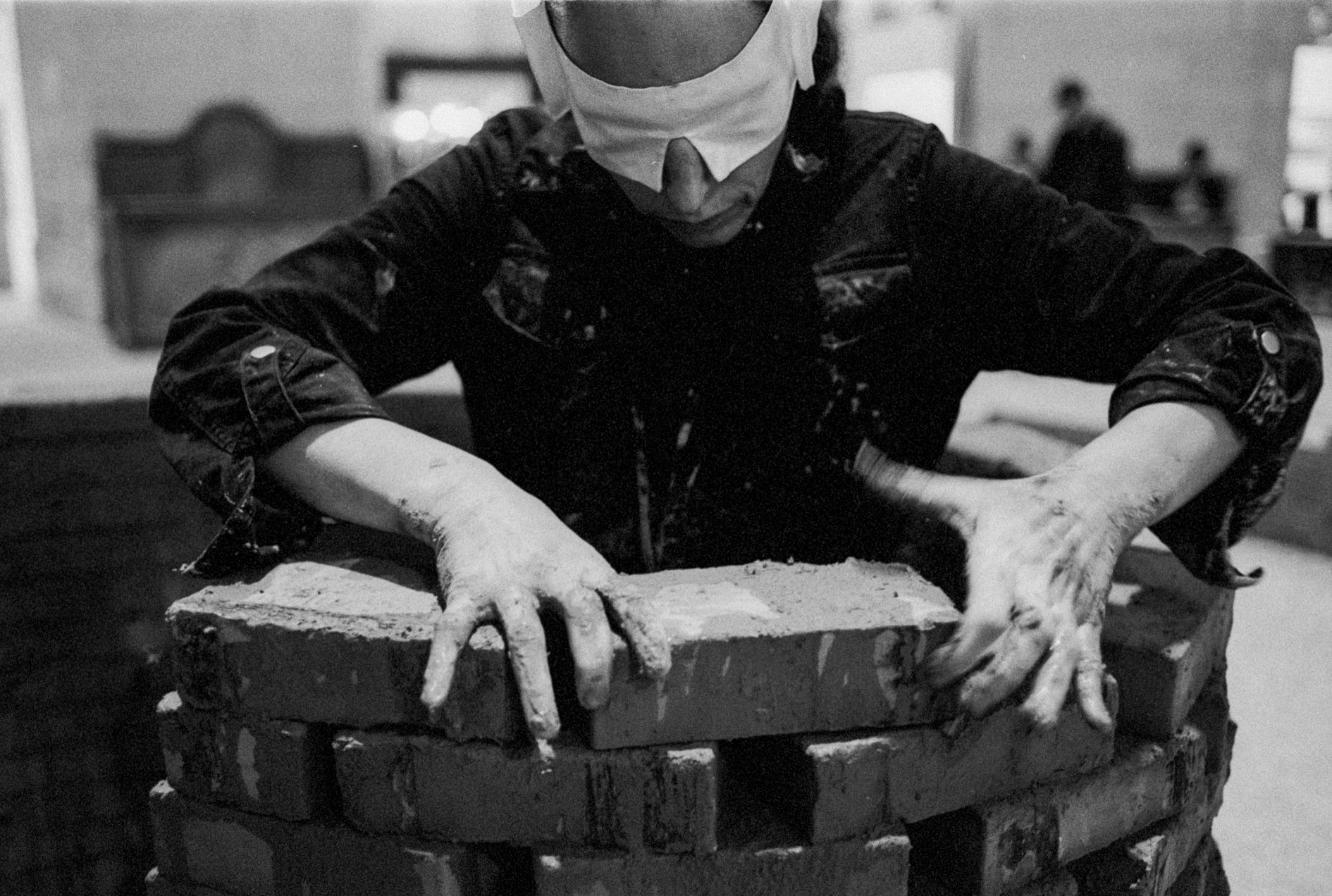
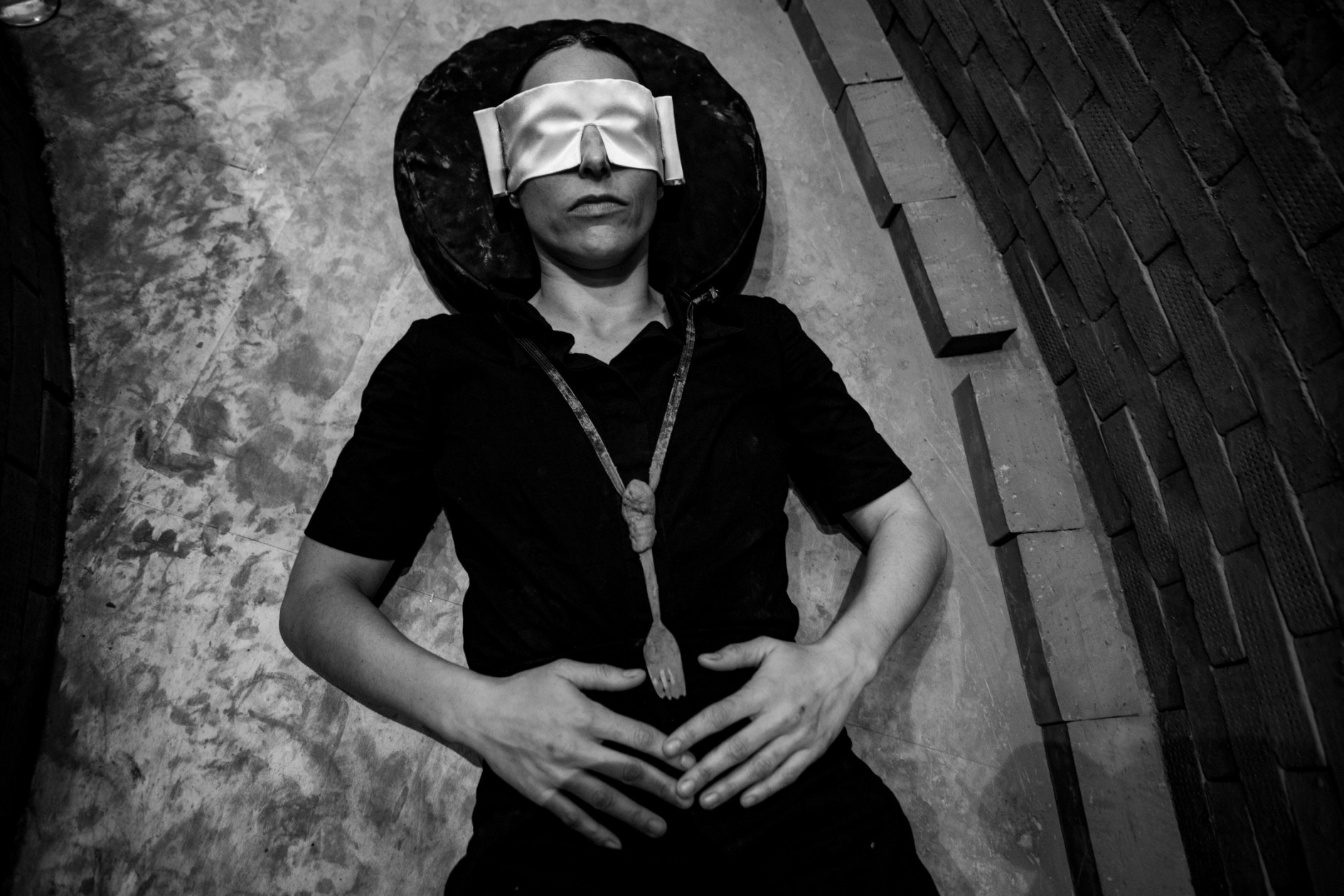
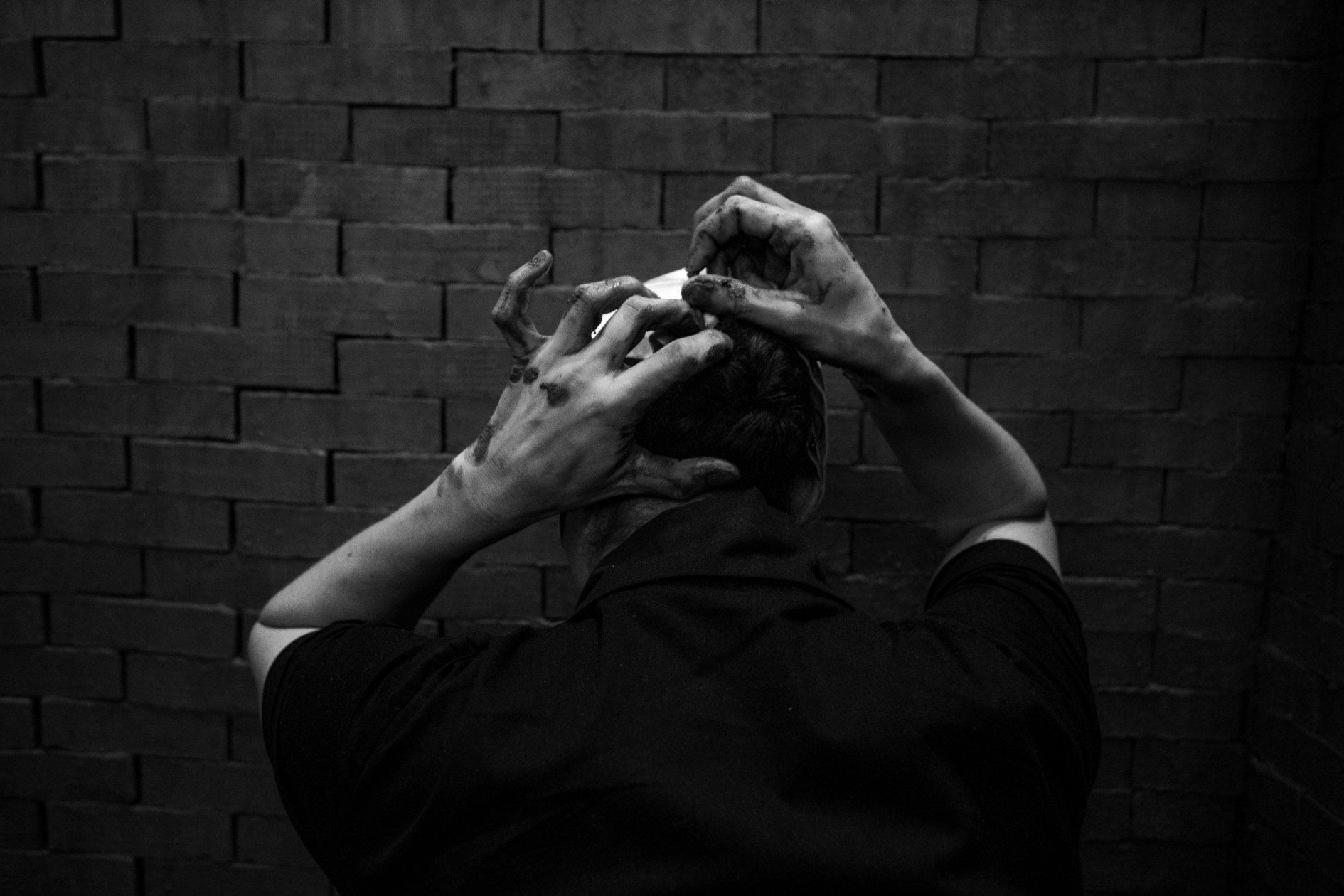
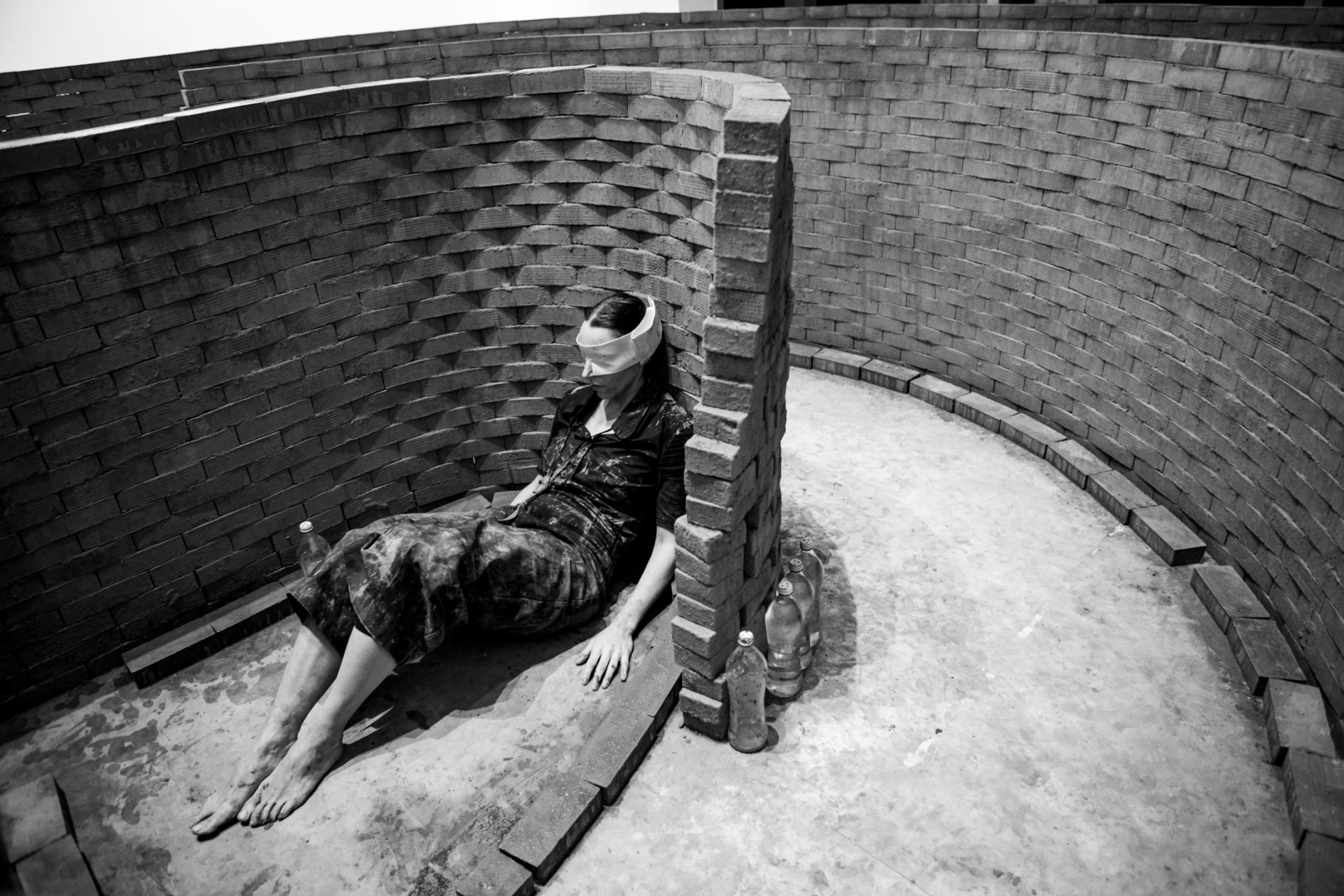
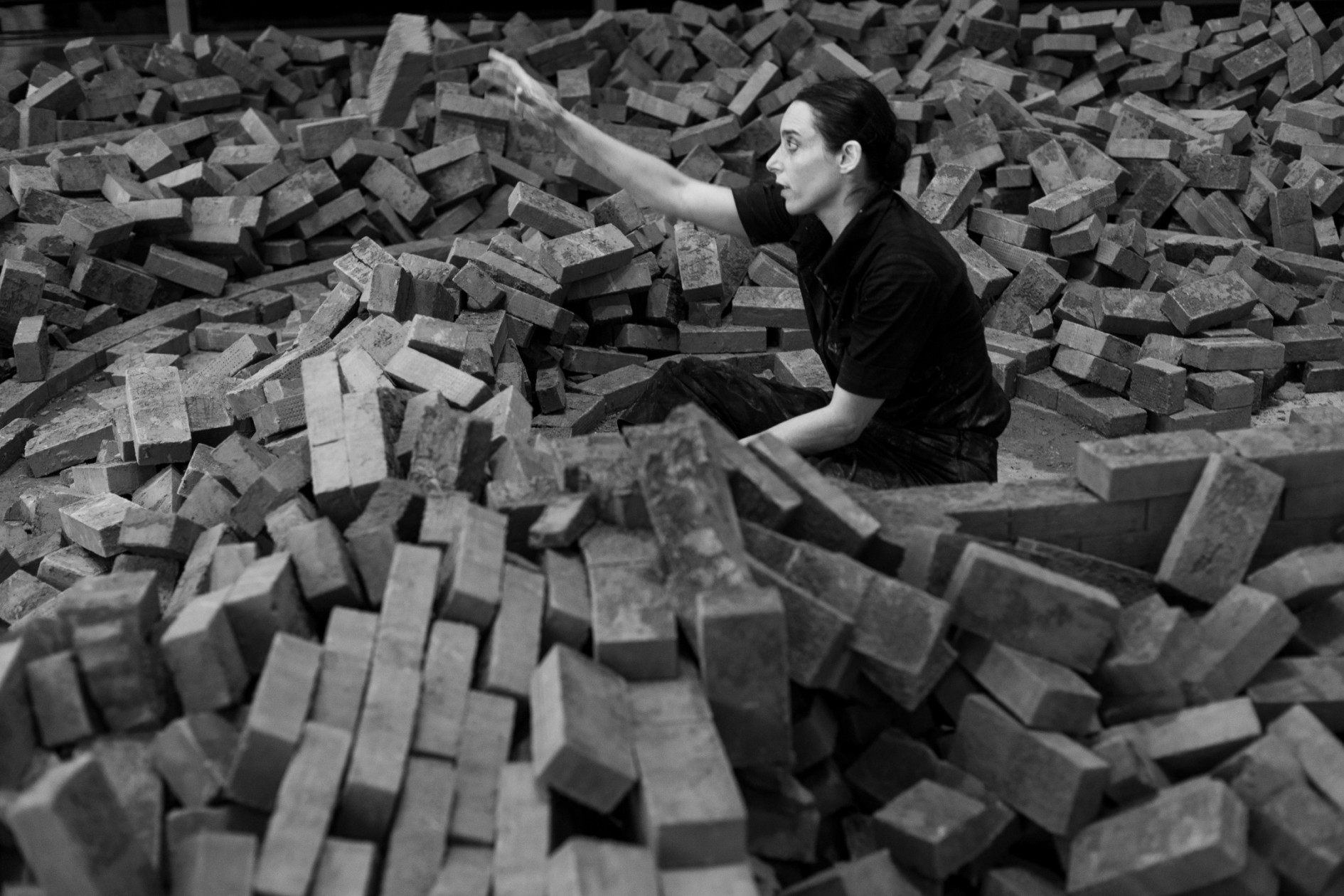
For seven days, eight hours each day, La Chapelle became the stage for “This Mortal House Building 3”, an intense durational performance by Maria Stamenković Herranz. The performance enacts the gradual construction of a spiral using 1440 uncooked bricks while blindfolded. The spiral, governed by the Fibonacci sequence, symbolizes the natural order, beauty, and harmony of the world. It represents journeys inward toward one’s core or outward into expanded consciousness. The work builds throughout the week, climaxing in its dramatic destruction on the last day of OFFSCREEN.
Tono x OFFSCREEN | October 24, 2025
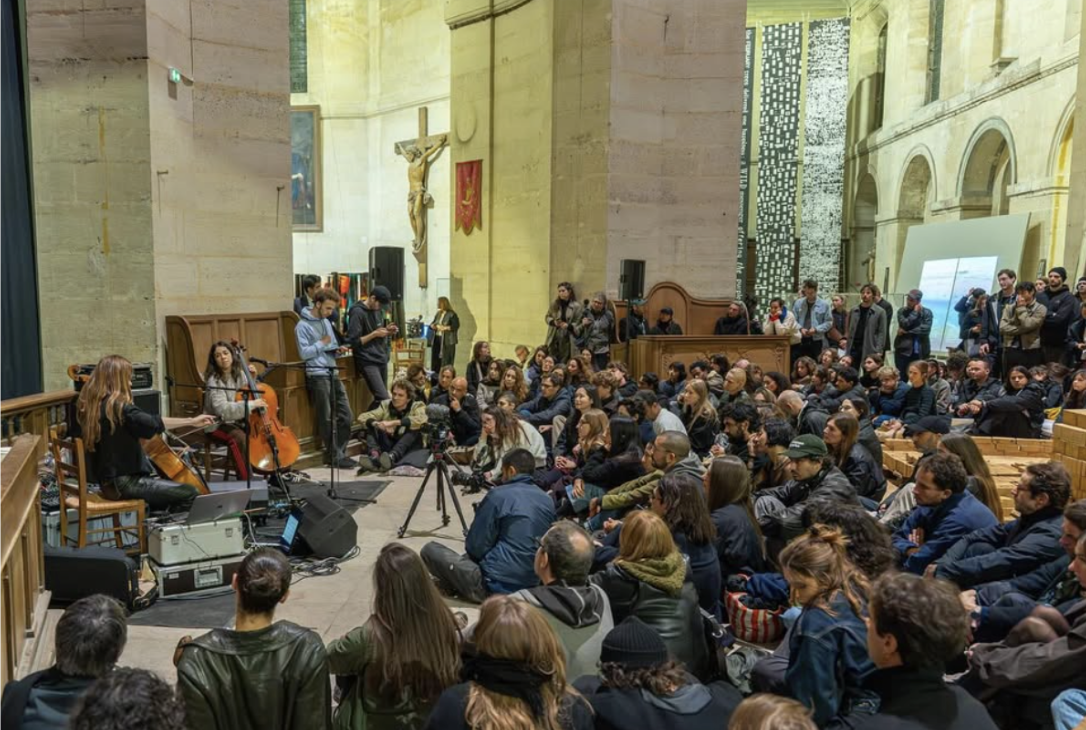
OFFSCREEN Paris and TONO organized a special evening in the Chapelle Saint-Louis de la Salpêtrière. Guatemalan-born, Mexico City-based cellist and experimental musician Mabe Fratti and acclaimed British cellist, composer, and curator Lucy Railton will present a collaborative live show. This special concert marks their first joint presentation in Europe, following a first encounter organized by TONO in Mexico City.