In connection with the history of La Salpêtrière Hospital, OFFSCREEN unveiled a rare selection of photographic prints from a collection of 47 plates produced by Albert Londe in 1893 during Dr. Charcot’s sessions.
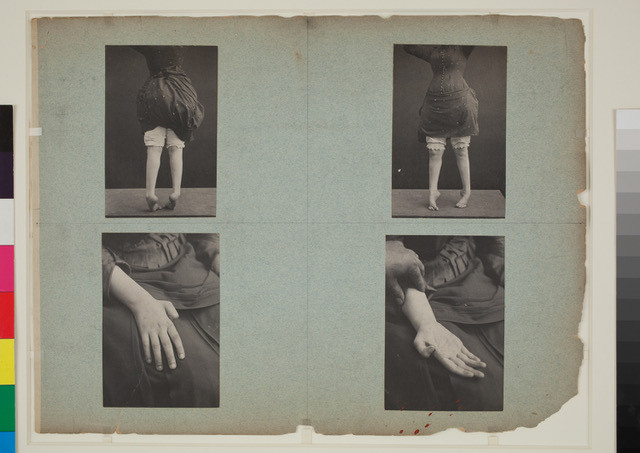
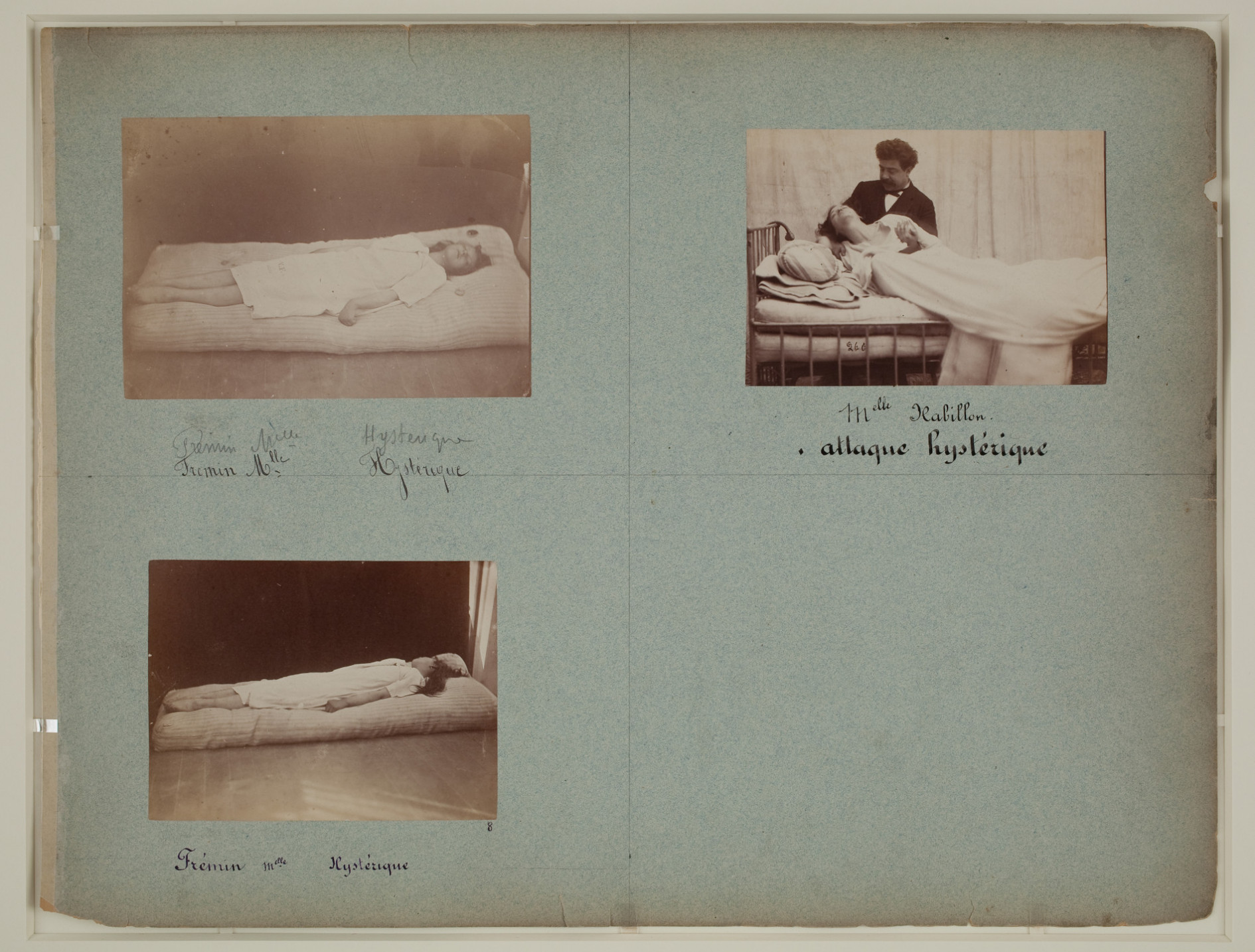
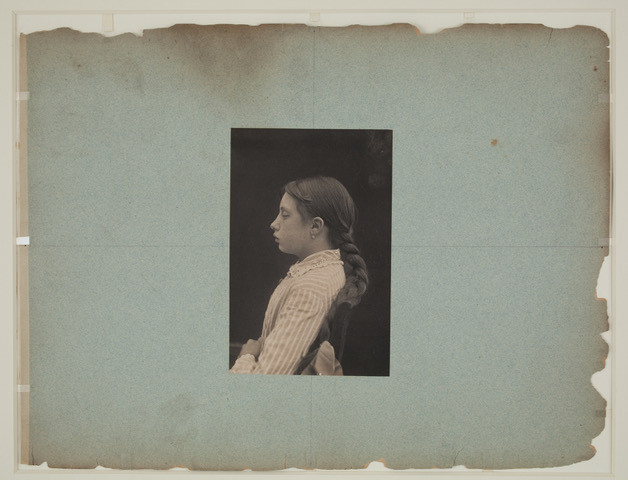
This collection, presented in collaboration with the Baudoin Lebon Gallery, examines a pivotal moment when photography claimed to reveal clinical truth, while contributing to the spectacular construction of hysteria.
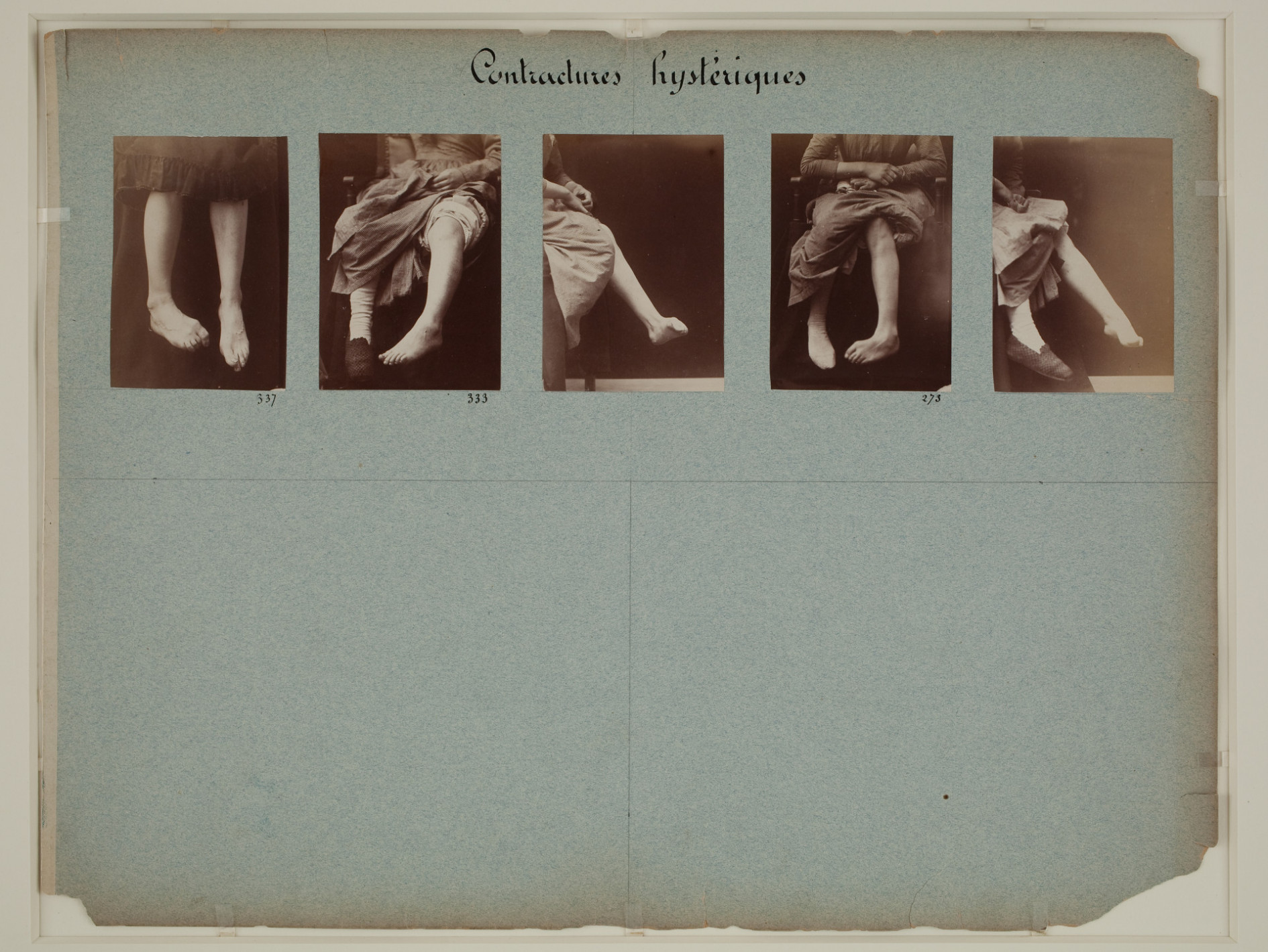
Created in 1882, the Salpêtrière Photographic Service was a pioneer in the use of medical photography, capturing the fleeting symptoms of hysteria, epilepsy and states of crisis with unprecedented precision. The photographs on display, at the crossroads of art, science and power, also bear witness to a controversial staging, Jean-Martin Charcot’s famous ‘Tuesday lectures’ having been described as « veritable spectacles ».
In 1882, Albert Londe developed a device that made it possible to photograph patients’ movements using a nine-lens camera; this technique allowed him to systematically time the release of the shutters to capture the successive phases of a movement (chronography). He later invented a twelve-lens camera that further increased the precision of his work. Albert Londe developed these techniques to document the symptoms of patients suffering from epilepsy, hysteria, or other neurological disorders studied by Charcot.

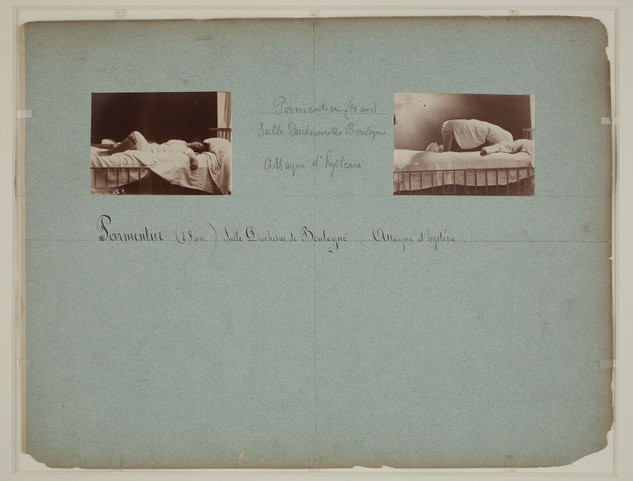
Beyond their documentary function, his photographs are marked by a strong theatricality, with patients often staged as is evident in the presence of the beds, backdrops, and doctors watching on. Georges Didi-Huberman theorized the theatricality of these images in his seminal 1982 work The Invention of Hysteria